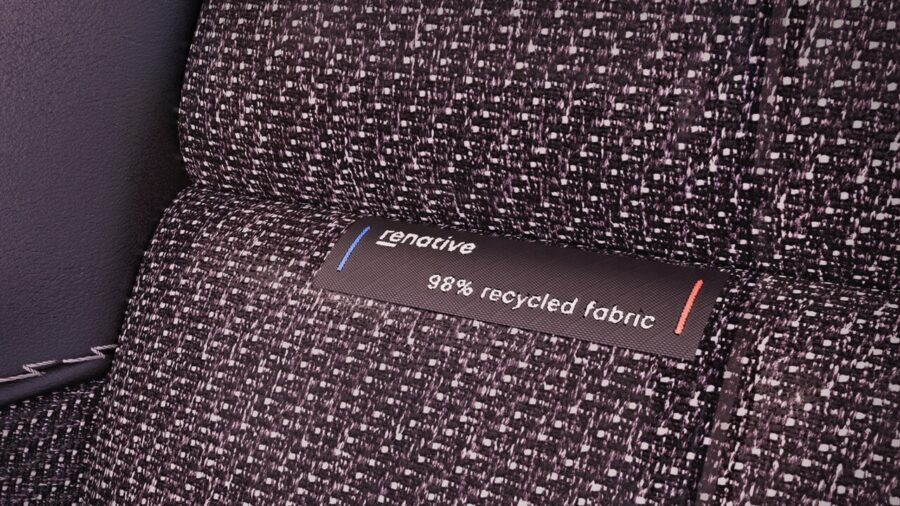
Renault announced that its “renative” label will now cover additional vehicle models, marking a broader application of the brand’s sustainability standards.
Key takeaways
- Label extension: The renative badge, previously applied to select components, will be used on upcoming models.
- Recycled content focus: Vehicles bearing the label must contain a high proportion of recycled materials in key parts.
- Brand purpose: Renault says the move reinforces its commitment to circular economy principles.
- Consumer signal: The label aims to help buyers identify cars with stronger environmental credentials.
- Industry trend: The expansion reflects growing pressure on automakers to disclose material sourcing.
Renault broadens renative scope
Renault stated that the renative designation, introduced to highlight components made with recycled inputs, will now be applied to a wider range of new vehicles. The company did not specify the exact models but indicated that the label will appear on future releases across its passenger car lineup.
High recycled‑material thresholds
According to Renault, any part carrying the renative name must meet a threshold for recycled content that exceeds previous standards. The automaker described the threshold as “a high percentage” but did not disclose precise figures.
Strategic sustainability messaging
Renault’s communications linked the label extension to its broader sustainability strategy. By standardising the renative badge, the firm hopes to provide a clear, comparable metric for consumers evaluating the environmental impact of their vehicle choices.
Implications for the market
The move arrives as regulators and consumers in Europe and the Middle East increase scrutiny of automotive supply chains. Industry analysts note that clearer labelling could influence purchasing decisions, especially in regions where recycling initiatives are gaining momentum.
Why it matters: Expanding the renative label gives buyers in Egypt and the wider Middle East a visible cue about the recycled content of Renault cars, aligning with regional goals to reduce waste and promote circular economies.