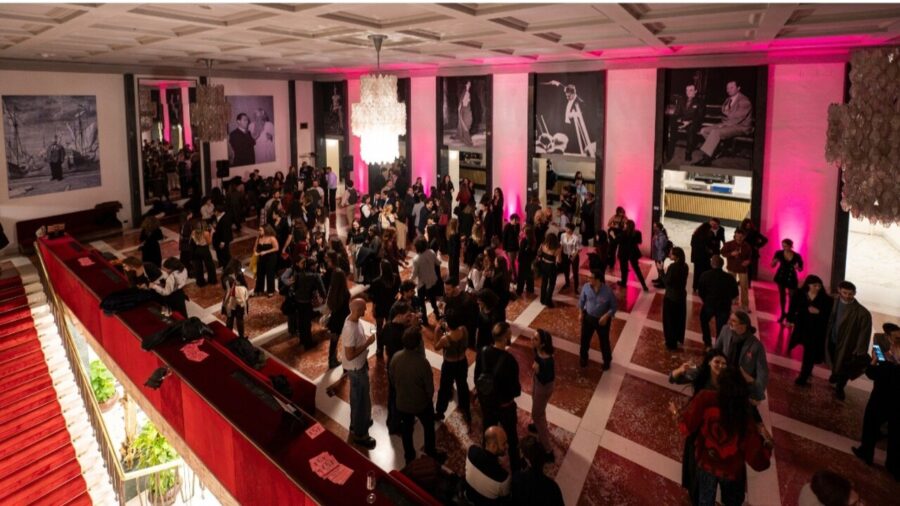
The Teatro dell’Opera di Roma concluded a youth-focused preview of Igor Stravinsky’s The Rake’s Progress with an unconventional event, transforming the venue’s foyer into a discotheque. The performance served as a lead-up to the official opening of the opera season.
Key Takeaways
- Youth Engagement: The event specifically targeted younger audiences ahead of the main season premiere.
- Production Choice: Stravinsky’s The Rake’s Progress was selected as the featured opera for this preview.
- Venue Adaptation: Organizers converted the opera house foyer into a dance space immediately following the performance.
- Season Kickoff: This preview served as a promotional precursor to the formal start of the Rome Opera’s season.
Bridging Opera and Modern Culture
The Rome Opera House utilized this preview event to appeal to a younger demographic. By pairing a classical production with a modern social experience, the institution aimed to broaden the appeal of traditional operatic works. The transition from the performance of The Rake’s Progress to a DJ-led atmosphere in the foyer highlights a shift toward more interactive and multi-functional use of historic theater spaces.
Context of the Season Opening
This initiative is part of the theater’s broader strategy to generate interest before the formal opening of the season. The use of a post-performance social gathering is designed to make the opera house a destination that extends beyond the standard duration of a musical performance. The Rome Opera continues to experiment with formats that blend formal artistic presentation with contemporary social activities to attract new attendees.
Why it matters: This event demonstrates a growing trend among European cultural institutions to modernize the opera-going experience. By integrating nightlife elements into traditional venues, opera houses are attempting to dismantle barriers for younger audiences and ensure the longevity of classical music performance in a changing cultural landscape.