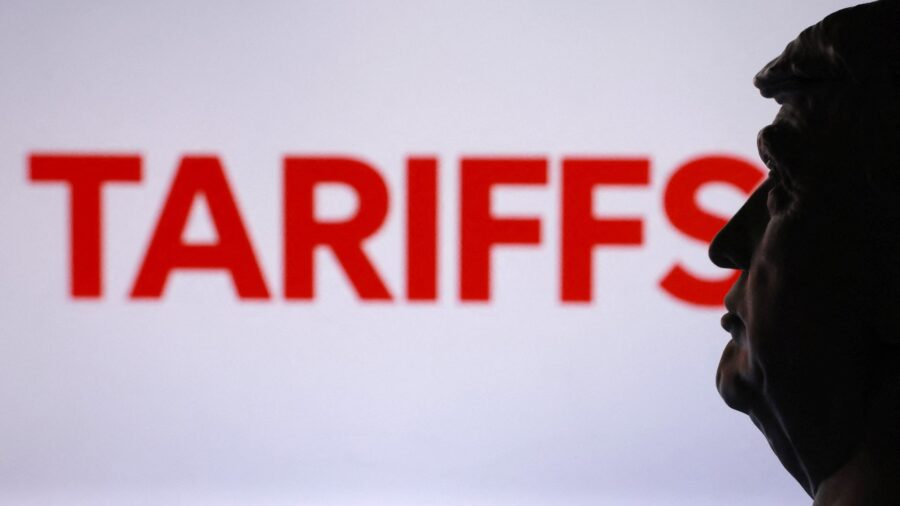
Donald Trump continues to pursue aggressive tariff policies following his recent election defeat, signaling no shift in his administration’s economic strategy. The proposed measures target both strategic rivals and key U.S. allies, aiming to address what the administration characterizes as industrial overcapacity driven by foreign subsidies.
Key Takeaways
- Proposed Tariffs: New trade barriers are aimed at China, as well as allies including Japan, South Korea, and the European Union.
- Economic Rationale: Trump contends that foreign subsidies create market-distorting industrial overcapacity that necessitates protectionist intervention.
- Market Impact: Critics argue that these policies increase production costs for U.S. manufacturers and contribute to domestic inflation.
- Global Relations: Analysts suggest the strategy damages U.S. credibility as a trade partner and creates long-term uncertainty for exporters.
- Political Context: Despite the role of the cost-of-living crisis in the recent Republican election loss, the administration has not altered its trade stance.
The Economic Implications of Protectionism
The administration’s focus remains on shielding domestic industry from what it describes as unfair foreign competition. By imposing new tariffs, the policy seeks to counter foreign subsidies that enable global competitors to produce goods at lower prices. However, economists note that this approach creates a cycle of protectionism that may ultimately harm the U.S. economy. By raising the cost of imported materials, these policies increase production expenses for domestic companies, which is often passed on to consumers.