A Musical Legacy Revealed
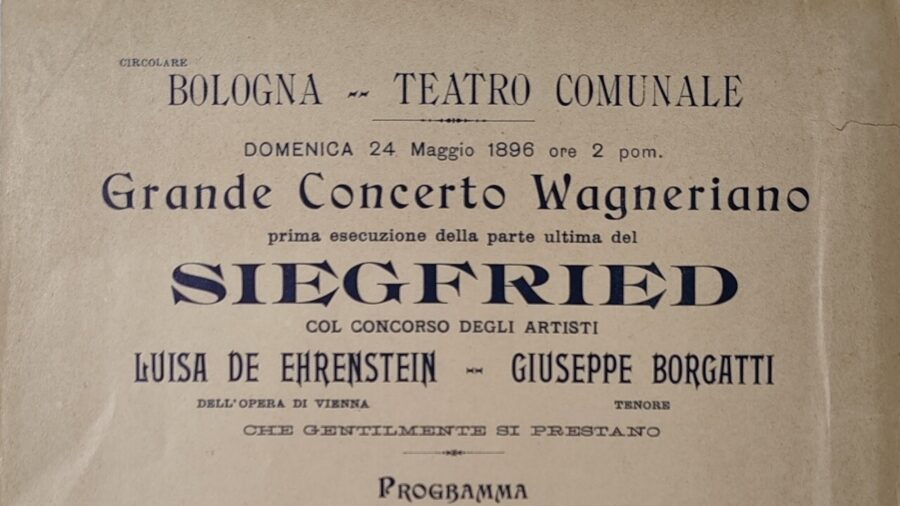
Visitors in Bologna can now view a collection of artifacts detailing the artistic relationship between composer Richard Wagner and the city. The exhibition, which opened recently, draws on the private archives of conductor Oksana Lyniv to showcase the depth of this historical connection.
The display includes more than 150 individual items. Among the pieces on view are rare lithographs, original sketches, and historical documents that provide a look into Wagner’s influence and presence in the region. These materials offer insight into how the composer’s work intersected with the cultural landscape of Bologna during his lifetime.
Preserving Historical Ties
The collection highlights previously under-examined aspects of Wagner’s time and influence in Italy. By gathering these scattered documents and artistic renderings, curators aim to provide a comprehensive view of the composer’s legacy outside of his traditional German context.
The exhibition serves as a significant archival effort, bringing together disparate items into a single narrative space. Organizers stated that the selection process focused on items that demonstrate the composer’s lasting impact on the city’s musical history. The event is expected to draw interest from music historians and opera enthusiasts alike, providing a rare opportunity to view primary source materials in a curated setting.
Future programming related to the exhibition will likely continue to explore the intersection of European classical music and Italian cultural heritage. As the city continues to document these historical links, the collection may serve as a foundation for further research into Wagner’s broader international influence.
Why it matters: This exhibition is significant for music historians and cultural institutions as it formalizes the documentation of Wagner’s presence in Italy. By preserving these specific lithographs and documents, Bologna secures its place in the broader narrative of 19th-century European classical music history, ensuring these artifacts remain accessible for future academic study.