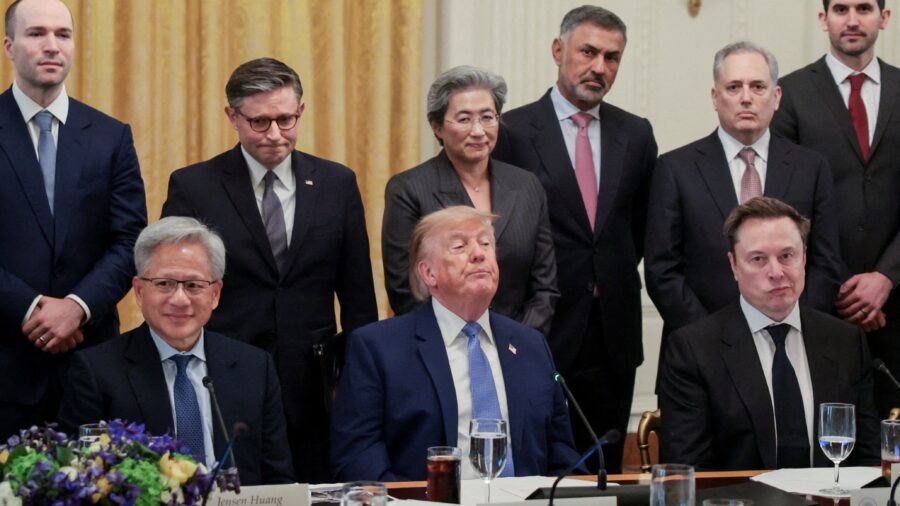
Nvidia stock prices rose 31% following the return of Jensen Huang to the position of CEO. This market reaction outperformed the debuts of companies like SpaceX, which saw a 19% increase, and Anthropic, which rose 17% on its first day of trading. The jump in share value added approximately $1 trillion in market capitalization to the company in a single day.
Key Takeaways
- Significant market gain: The company’s valuation increased by $1 trillion within 24 hours of the leadership change.
- Outperforming peers: The 31% stock surge surpassed the initial trading day gains of both SpaceX and Anthropic.
- Leadership debate: The market enthusiasm has raised questions regarding the long-term impact of rehiring former executives.
- Corporate ethics concerns: Analysts are questioning whether the financial performance outweighs concerns about the CEO’s conduct.
- Governance standards: The situation highlights a potential conflict between corporate behavior norms and market reactions.
Market Reaction and Governance
The immediate surge in Nvidia’s stock price indicates strong investor confidence in Huang’s leadership capabilities. However, the rapid financial recovery has sparked a debate about corporate governance. Financial analysts are examining whether the return of a high-performing CEO is appropriate if their previous behavior conflicts with company standards or ethical guidelines.
While the markets focused on the immediate capital gains, the broader discussion centers on whether financial results should be the primary metric for evaluating leadership decisions. Critics argue that even if a CEO is highly qualified, their past conduct must align with the established cultural and moral norms of the corporation.
Why it matters: This event highlights the tension between market valuation and corporate culture. For investors and stakeholders in the Middle East and globally, it raises the question of whether leadership stability and financial growth are prioritized over adherence to established internal ethical and corporate behavior policies.