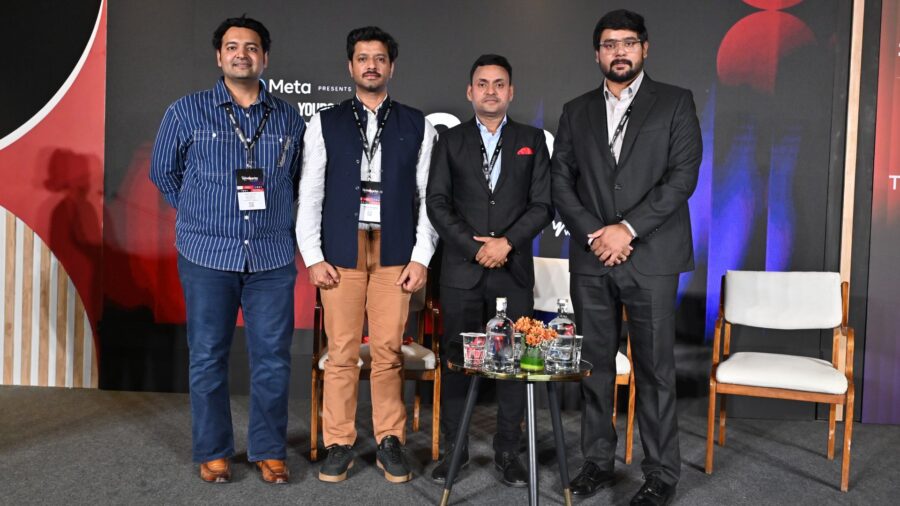
Three Rajasthan-based startups are scaling their operations nationally by addressing specific regional challenges in agriculture, mental health, and telecommunications. Founders from ChurningMind, SafeSpace, and HNNOIX discussed their growth strategies during a panel at TechSparks 2026, highlighting the role of the state’s government-backed startup initiative, iStart.
Key Takeaways
- Government support: The iStart program, operated by the Rajasthan Department of IT & Communication, currently supports over 9,400 startups through grants, incubation, and direct work orders.
- Bridging gaps: ChurningMind utilizes AI to provide rural users with real-time voice-to-voice translation and agricultural tools, connecting farmers across India.
- Mental health focus: SafeSpace aims to address student well-being, specifically targeting high-pressure environments like Kota, a hub for competitive exam preparation.
- Technological sovereignty: HNNOIX is working to localize 5G infrastructure, reducing India’s reliance on foreign technology.
- Scaling strategy: Founders emphasized the necessity of adapting products for regional languages and hard-to-reach demographics to move beyond initial prototypes.
Scaling Through Government Initiatives
The iStart Rajasthan program provides a framework for local businesses to expand. Program Manager Dhawal Singhal stated that the initiative offers grants of up to Rs 60 lakh and a Rs 100 crore fund of funds. A significant feature of the program allows government departments to issue work orders directly to startups, bypassing traditional tender processes.
Addressing Rural and Sector-Specific Needs
ChurningMind, led by co-founder Nishant Gupta, focuses on AI applications for rural India. The company developed tools for agriculture, health, and labor, aiming to provide a unified platform for underserved populations. A primary project involves real-time voice-to-voice translation to facilitate communication between farmers in different states. Additionally, the platform connects farmers with traders and exporters, aiming to eliminate costs associated with traditional produce grading.