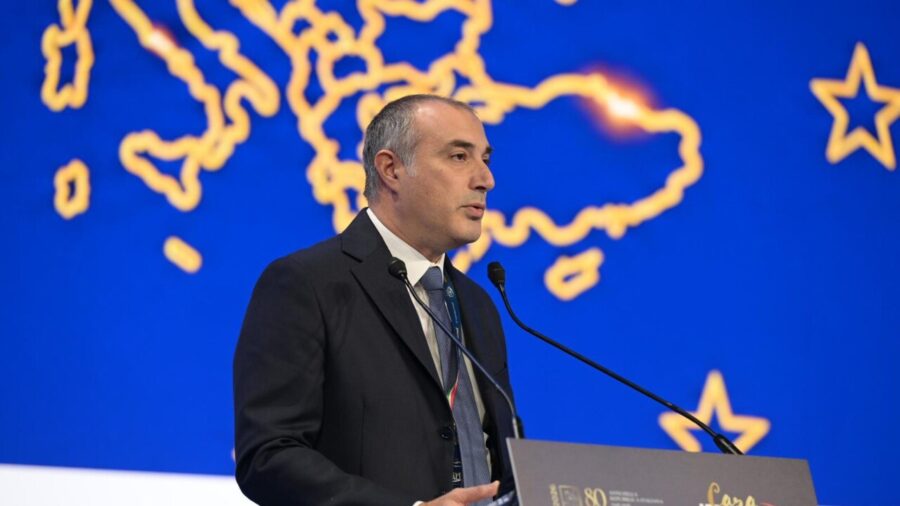
Stellantis faces significant hurdles in maintaining consistent production levels within Italy, despite the country’s continued importance to the automotive giant’s global operations. Santo Ficili, the company’s regional head, characterized the ongoing operational environment as a daily struggle to ensure manufacturing stability.
Strategic Importance and Operational Hurdles
The company maintains that its Italian facilities remain central to its broader industrial strategy. However, Ficili noted that the reality on the factory floor requires constant management to navigate current supply chain and economic pressures. While Stellantis continues to invest in the region, the executive emphasized that production continuity is not guaranteed and requires rigorous daily attention to overcome logistical and structural challenges.
Regulatory Shifts and Future Outlook
Looking toward policy changes, the company expressed optimism regarding the European Union’s evolving stance on industrial regulation. Stellantis representatives indicated that current legislative developments appear to be moving in a constructive direction. If the European Union maintains its current policy trajectory, the company expects new regulatory frameworks to emerge by spring. These anticipated rules are intended to provide the necessary support for an industrial relaunch across the sector.
The company continues to monitor developments in Brussels closely, as these upcoming regulations will dictate the pace of future investments and production strategies across its European manufacturing footprint.
Why it matters: For the automotive sector in Italy and the broader Mediterranean region, the stability of Stellantis’s operations is critical to employment and economic output. The company’s focus on upcoming EU regulatory changes suggests that the future of regional manufacturing depends heavily on policy alignment with industrial needs.