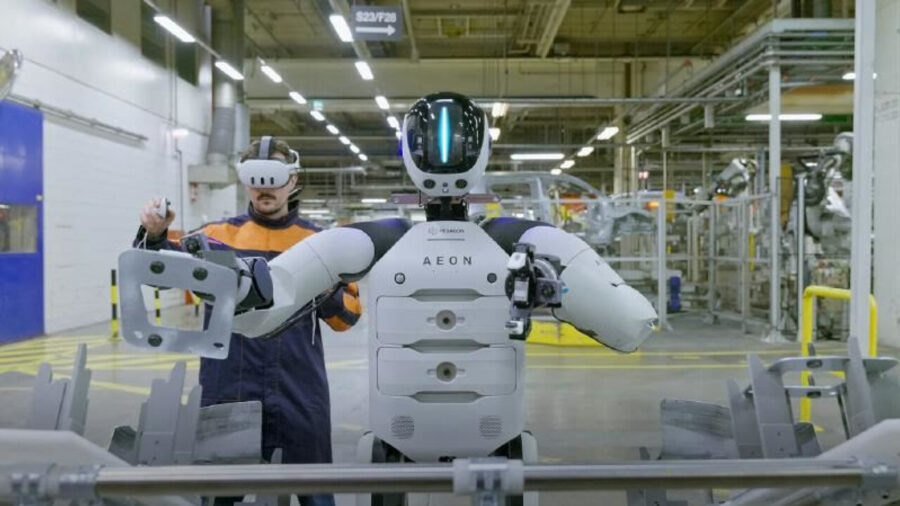
Volvo Cars has initiated a pilot program to test humanoid robots in its manufacturing facilities. The initiative, conducted in partnership with technology firm Hexagon, aims to integrate robotics into industrial workflows to assist human workers with repetitive or physically demanding tasks.
The Partnership
Volvo Cars is collaborating with Hexagon to evaluate the effectiveness of humanoid robots within a live automotive production environment. The project focuses on deploying robotic units to perform standard assembly line operations, aiming to reduce the physical strain on human staff and optimize production efficiency. This integration represents a broader industry trend toward automating specific manufacturing functions.
Operational Goals
The primary objective of the experiment is to determine how humanoid machines can safely work alongside employees. Volvo Cars intends to use these robots to handle tasks that require precision or endurance, allowing human workers to focus on more complex decision-making processes. The technology is designed to complement, rather than replace, the current workforce.
Current Status
The collaboration remains in the experimental phase as Volvo Cars assesses the technical feasibility and safety of the robots on the factory floor. Future deployment will depend on the results of these initial trials, with a focus on improving long-term industrial productivity.
Why it matters: As automotive manufacturers globally seek to streamline production and address labor challenges, this project highlights the shift toward collaborative robotics. For the Middle East and Egypt, where industrial sectors are increasingly looking to modernize manufacturing capabilities, the successful adoption of such technology could provide a blueprint for future automation strategies in regional assembly plants.