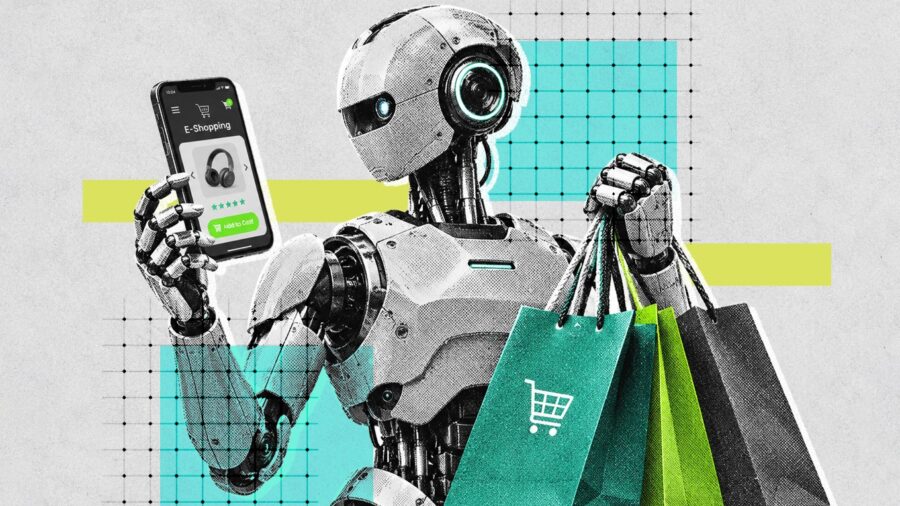
A customer wanting to order groceries or book a restaurant table may soon bypass traditional mobile applications entirely. Instead, autonomous personal AI agents, such as OpenAI’s Dots or Meta’s Muse, are increasingly capable of executing these tasks across platforms on a user’s behalf.
The Threat to Customer Relationships
This technological shift represents a significant change in how consumers interact with businesses. As these digital intermediaries handle discovery, selection, and purchasing, companies risk losing direct control over the customer journey. Businesses may lose access to critical behavioral insights and influence over purchasing decisions, becoming dependent on AI platforms to reach their own consumers.
Beyond the loss of customer ownership, organizations face operational risks, including unauthorized data access, potential leaks, and unintended financial transactions. In response, some firms have begun restricting access to their systems to protect user data and maintain control over interactions.
Adapting to the Agentic Era
Some companies are choosing to integrate with these technologies rather than resist them. Swiggy, an Indian delivery service, has opened its services to third-party AI agents using its Model Context Protocol server. This system provides 66 tools for tasks such as browsing menus, placing food orders, and booking tables. Madhusudhan Rao, Swiggy’s chief technology officer, stated that the company is preparing for a future where customer journeys initiate outside their proprietary app.
Similarly, e-commerce platform Meesho views AI agents as a new channel for consumer access. Kiran Kumar, head of platform engineering and agentic AI at Meesho, described the trend as an opportunity to meet customers wherever they engage. He noted that the company employs safeguards, such as rate limiting, to prevent system misuse.