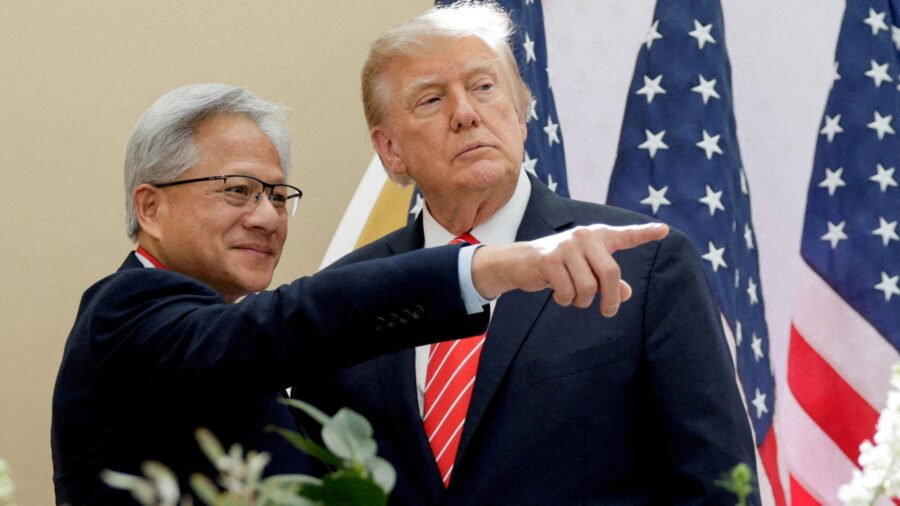
A corporate board meeting convenes under unusual pressure. The United States president intervenes, pushing for the reinstatement of a disgraced chief executive. When the board complies, the president publicly claims credit for the outcome. This scenario, typically associated with state-controlled economies, is now occurring within the United States under the administration of Donald Trump.
The Shift in Corporate Governance
Observers note that this approach represents a departure from traditional U.S. economic policy. Critics describe the president’s tactics as a form of state capitalism, where executive power is used to directly influence private sector decisions. Beyond personnel interventions, the administration has pressured companies to transfer ownership stakes to the government and attempted to exert influence over national monetary policy.
These actions mirror strategies often seen in oligarchic or state-managed systems, such as those in Russia or China. However, they are unfolding in an American context, challenging established norms regarding the separation of corporate management and federal oversight.
Broader Economic Implications
The normalization of presidential interference in private enterprises has sparked debate among economists and governance experts. The direct involvement of the White House in corporate boardrooms raises questions about the future of free-market principles and the predictability of U.S. business regulations.
Investors and corporate leaders are now assessing how these precedents might alter long-term strategy. As the administration continues to assert influence over major firms, market analysts expect increased scrutiny on how federal pressure affects corporate autonomy and shareholder value moving forward.
Why it matters: This trend signals a fundamental shift in how the U.S. government interacts with private industry. For global markets, including those in the Middle East and Egypt, the move toward U.S. state capitalism suggests a less predictable regulatory environment, potentially impacting foreign investment strategies and international economic partnerships.