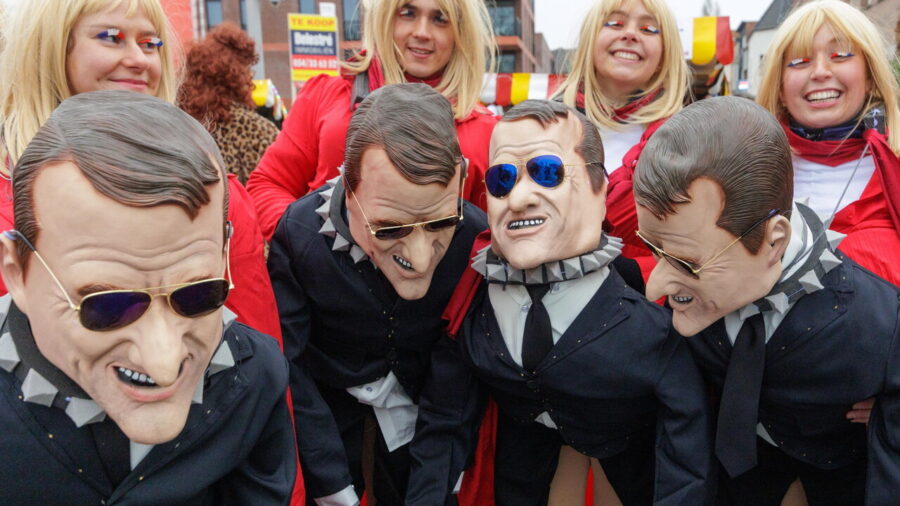
Gianluigi Colin, the long-time art director of Italy’s Corriere della Sera, says contemporary satire has lost its edge because institutions and individuals now prefer silence to conflict. Speaking at the Spirito di Vino festival, the designer argued that modern society increasingly favors conformity over the discomfort that biting humor often creates.
The Psychology of Self-Censorship
Colin suggests that political power does not always need to take overt action to silence dissent. Instead, he claims that the mere existence of power is often enough to intimidate potential critics into self-censorship. This phenomenon, according to Colin, creates an environment where people avoid “disturbing the sleeping dog”—a common Italian idiom for avoiding unnecessary trouble.
He noted that the current cultural climate encourages caution. Rather than engaging in sharp, critical commentary, creators often pull back to avoid backlash or professional repercussions. This dynamic shifts the responsibility away from censors and places it on the artists themselves, who anticipate the disapproval of those in authority.
Impact on Public Discourse
The veteran art director emphasized that the absence of aggressive satire weakens public debate. By avoiding controversy, media and creative outlets risk becoming tools for maintaining the status quo rather than challenging it. He observed that while direct censorship is rare, the atmospheric pressure to conform is pervasive.
The discussion highlights a broader concern regarding how freedom of expression is exercised in the digital age. As public figures and institutions gain more direct avenues to respond to criticism, the threshold for what is considered acceptable commentary has narrowed, leading to a more sanitized media landscape.
Why it matters: This perspective highlights the subtle erosion of critical discourse in modern media. For audiences in the Middle East and Egypt, where media environments are often sensitive to government oversight, Colin’s observations about self-censorship and the intimidation of power serve as a reminder of how easily public criticism can be stifled without explicit government bans.