Lithuania expands armored capabilities
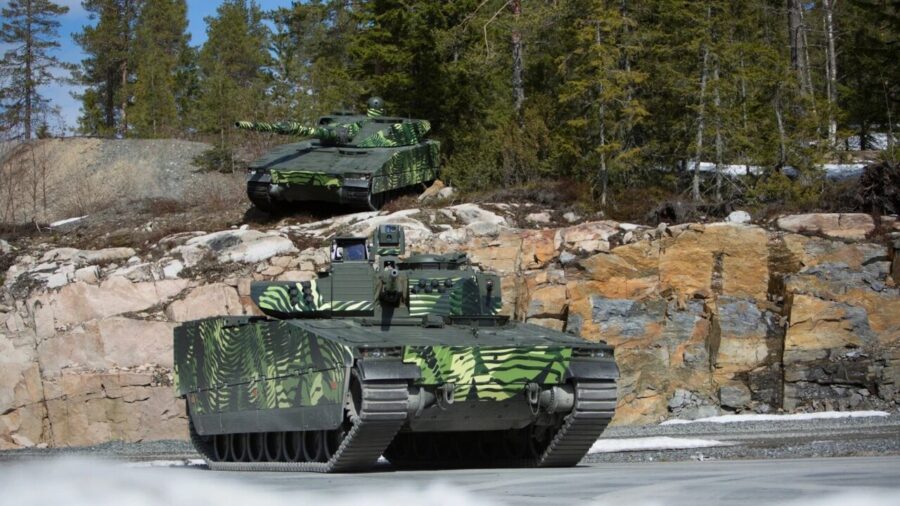
Lithuania has formally committed to acquiring 100 Swedish-made CV90 tracked combat vehicles. The procurement deal, valued at approximately 1.3 billion euros, represents a significant investment in the Baltic nation’s mechanized infantry capabilities.
The Ministry of National Defence in Vilnius confirmed the agreement this week. The CV90, manufactured by BAE Systems Hägglunds, is a tracked infantry fighting vehicle designed for high mobility and protection in varying terrain. Military officials have selected these units to replace aging equipment and modernize the Lithuanian Land Forces.
Strategic military procurement
The acquisition process involved extensive testing and evaluation before the final contract was signed. The vehicles will be integrated into the Lithuanian military structure over the coming years, with the first deliveries expected to bolster the country’s defensive posture along its eastern border. This move aligns with broader efforts by Baltic states to upgrade their armored fleets in response to the changing security environment in Eastern Europe.
The 1.3 billion euro price tag covers the vehicles themselves, along with ammunition, logistical support, and specialized training for Lithuanian crews. Government representatives stated that the procurement will enhance interoperability with NATO allies who also utilize the CV90 platform.
Looking ahead, the Lithuanian military plans to establish a dedicated training program to ensure soldiers are fully capable of operating the new systems as they arrive. The ministry expects the full fleet to be operational within the next several years, marking a substantial shift in the army’s combat readiness.
Why it matters: This procurement underscores the ongoing trend of increased defense spending among NATO members on the eastern flank. For readers in the Middle East and beyond, it highlights how regional security concerns in Europe continue to drive major global arms contracts and shift military supply chains.