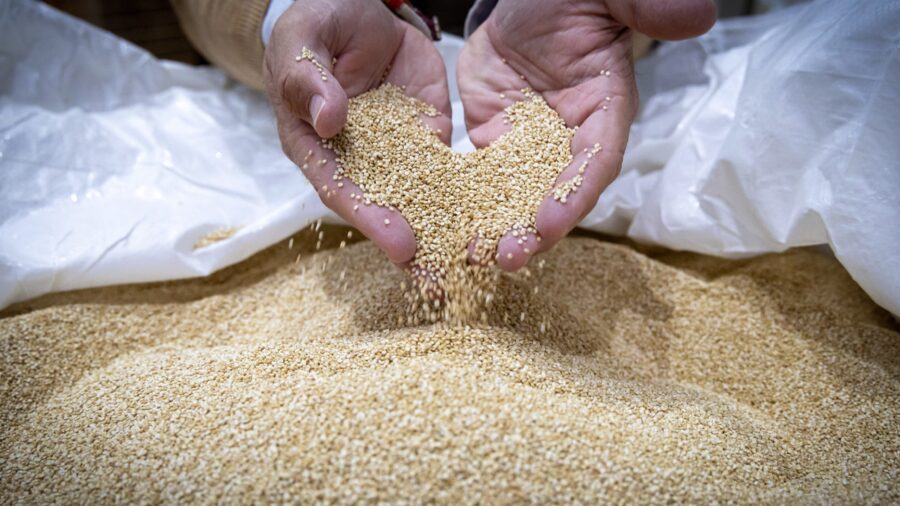
Spanish farmers are increasingly diversifying their crop production to include quinoa, a grain native to South America, as global demand for the product grows. This transition reflects a broader trend in the agricultural sector where international market preferences influence local planting decisions.
Key Takeaways
- Agricultural diversification: Spanish farmers are cultivating crops from other regions to meet changing consumer habits.
- Economic incentives: The shift is driven by the profitability and high market demand for superfoods like quinoa.
- Historical precedent: The introduction of non-native crops has historically reshaped Spanish agriculture and diets.
- Market response: Agricultural production is reacting to global trends rather than solely traditional local demand.
Shifting Agricultural Trends
The rise of quinoa in Spain serves as an example of how global dietary trends can alter local farming practices. Farmers are moving away from traditional crop cycles to capitalize on the increasing popularity of foods labeled as superfoods. This adaptation allows producers to tap into profitable export and domestic markets that prioritize diverse nutritional options.
Historical Context
Agricultural adaptation is not new to Spain. The potato, which remains a staple of Spanish cuisine today, was originally introduced to Europe through the port of Seville in the late 16th century. While that historical shift changed the national diet, the current trend shows the agricultural sector proactively modifying production to meet external consumer demands. Currently, more than 60% of Spaniards identify the potato tortilla as the most representative dish of their national gastronomy, illustrating the long-term integration of previously foreign crops.
Why it matters: This trend highlights how global supply chains and consumer health trends directly dictate agricultural strategies in Spain. For markets in the Middle East and beyond, it underscores the potential for non-traditional crops to become viable commercial products, provided there is consistent demand and adaptation to local climates.