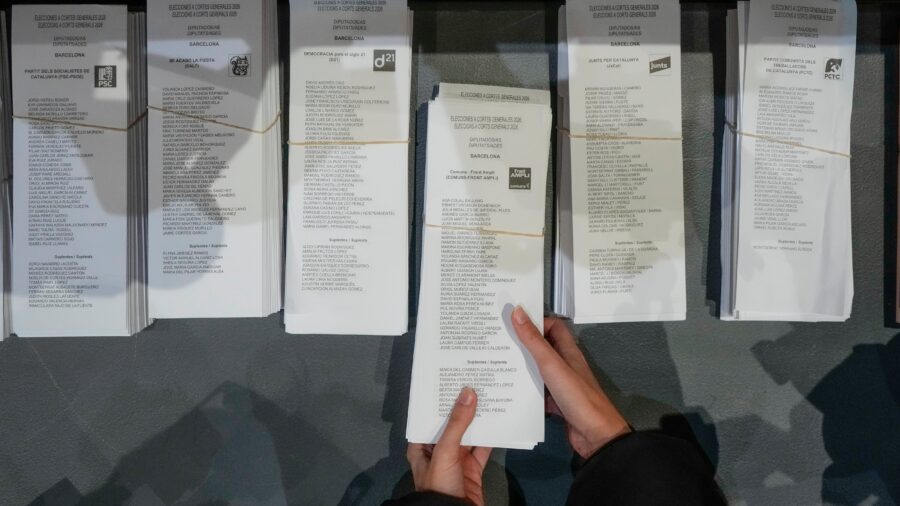
Economic Shift Following November Data
Spanish inflation figures for November have surprised analysts, driven by a sharper-than-expected decline in energy costs and an unexpected dip in service prices. This shift marks a departure from the economic trends observed throughout the spring, which had seen core inflation hovering near 3 percent.
The core consumer price index (CPI), which excludes volatile energy and fresh food prices, fell to 2.6 percent in November. Analysts attribute this cooling effect to multiple factors, most notably the aggressive discounting strategies employed by retailers during Black Friday sales.
Additionally, temporary government tax cuts on energy, specifically those applied to the transportation sector, have contributed to the lower headline figures. While these developments suggest a period of easing price pressures, economic observers caution that some of these improvements may be transient rather than structural.
International Pressures Remain
The current economic landscape in Spain remains heavily influenced by global factors, regardless of the country’s political composition. While the era of financial bailouts and the subsequent loss of economic sovereignty has ended, international uncertainties persist.
Moving forward, the Spanish government will continue to operate within a highly interconnected global market. Policymakers must navigate these external conditions to maintain stability, even as domestic indicators show signs of short-term relief.
Why it matters: This data is significant because it highlights how temporary fiscal interventions and seasonal retail trends can mask underlying economic volatility. For observers in the Middle East and beyond, the Spanish experience underscores the continued vulnerability of national economies to global market fluctuations and the delicate balance required in post-election economic governance.