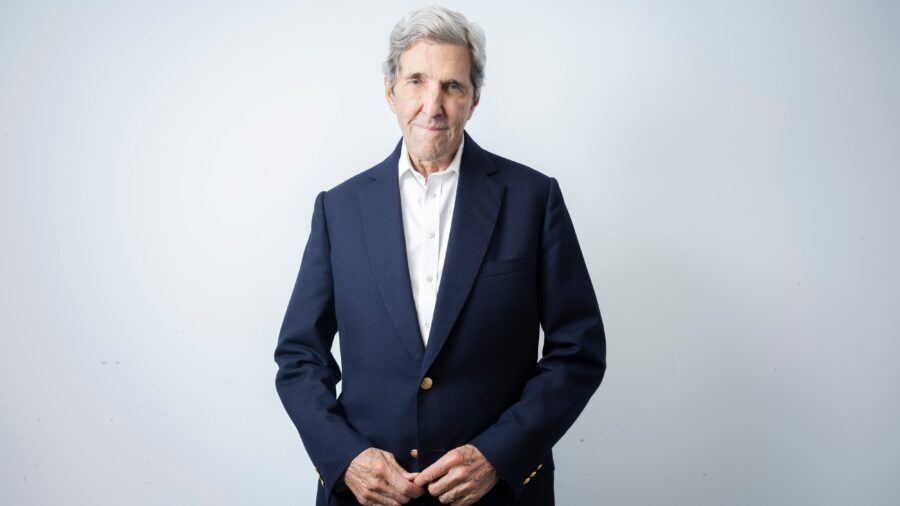
Former U.S. Secretary of State John Kerry has labeled the Trump administration’s decision to authorize the purchase of Russian oil as counterproductive and hazardous. Kerry, who served as a central negotiator for the Iran nuclear deal and the Paris Agreement, continues to advocate for global energy transition through his work with the investment platform Galvanize.
Key Takeaways
- Policy Criticism: John Kerry described the Trump administration’s decision to permit Russian oil imports as dangerous and counterproductive.
- Diplomatic Legacy: Kerry previously served as the primary negotiator for the Paris Agreement and the Iran nuclear deal.
- Energy Focus: The former secretary of state currently works with Galvanize, a global investment firm focused on energy transition.
- Recent Engagement: Kerry addressed entrepreneurs and investors at the Impact/Week event in Barcelona.
- Event Context: The conference was organized by Norrsken Barcelona, a prominent European hub for startup companies.
Kerry’s Stance on Energy Policy
In his recent remarks, Kerry highlighted the risks associated with current U.S. energy policies. He argued that allowing the purchase of Russian oil undermines broader strategic goals. Kerry, 82, has maintained a consistent focus on climate policy and international cooperation throughout his career, despite the current shifts in U.S. administration priorities.
Continued Advocacy
Following his tenure in government, Kerry has transitioned into the private sector. Through Galvanize, he focuses on funding and supporting initiatives aimed at energy transition. His recent appearance in Barcelona at the Impact/Week event served as a platform to engage with global leaders, investors, and startup founders regarding sustainable development and the future of energy markets.
Why it matters: The criticism highlights the ongoing tension between traditional energy market practices and global climate commitments. For international observers, including those in the Middle East, such shifts in U.S. policy signal potential changes in global energy demand and diplomatic alignment regarding major oil-producing nations.
 Egypt
 Saudi Arabia
 UAE
 Spain
 United Kingdom
 United States
 China
 India