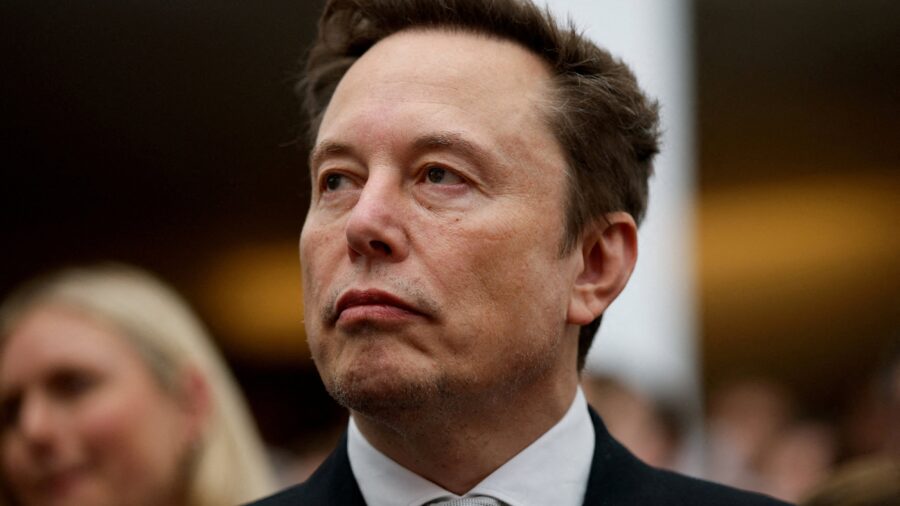
Elon Musk confirmed on Tuesday that independent advisory committees are evaluating a potential merger between his two primary companies, SpaceX and Tesla. The proposal aims to combine the aerospace manufacturer and the electric vehicle producer into a single entity.
Financial Implications of the Merger
Combined, the two companies hold a valuation of $3.6 trillion. This total would position the merged firm as the fifth-largest publicly traded company globally, trailing behind Nvidia, Apple, Alphabet, and Microsoft.
The structure of the deal would significantly alter Musk’s control over the new organization. Due to the super-voting rights associated with SpaceX shares, Musk’s influence would expand considerably. While he currently holds approximately 20% of Tesla, the merger would grant him control over 56% of the voting power in the combined company.
Shareholder Concerns
The proposed consolidation has raised questions regarding the impact on existing Tesla shareholders. Financial analysts note that current investors could see their stakes diluted. Furthermore, the shift in voting power would reduce the ability of minority shareholders to provide oversight or counter-balance Musk’s decision-making.
Advisory committees are currently reviewing the viability and legal framework of the merger. No timeline for a final decision has been released.
Why it matters: This potential merger represents a major shift in corporate control for two of the world’s most influential technology firms. For investors, the move highlights the ongoing debate over shareholder rights and the consolidation of power within Musk’s business empire, which has significant implications for global market valuation and corporate governance standards.
 Egypt
 Saudi Arabia
 UAE
 Spain
 United Kingdom
 United States
 China
 India