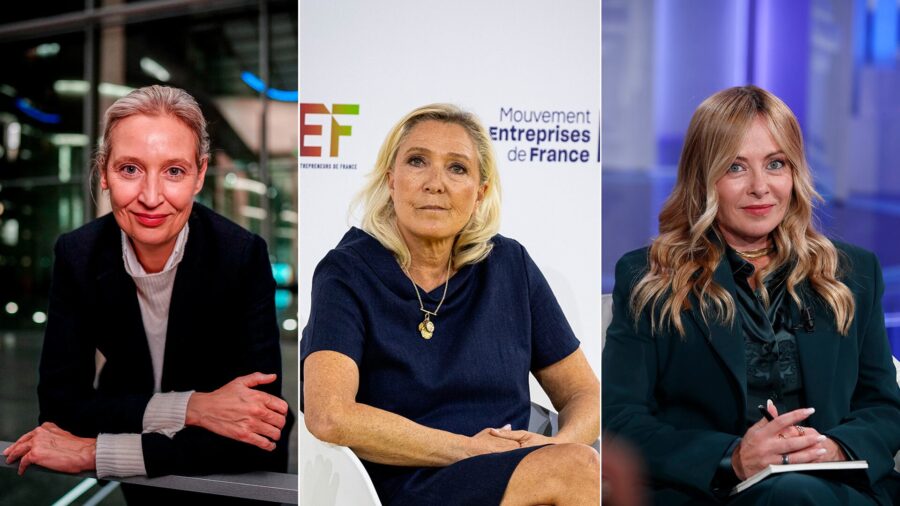
Marine Le Pen, Alice Weidel and Giorgia Meloni are leading the surge of far‑right parties across Europe, a development that could alter the continent’s political landscape within years.
Key facts
Le Pen is the front‑runner in France’s presidential elections scheduled for April and May. Weidel is the most visible figure of Germany’s Alternative for Germany (AfD), which has broken previous vote thresholds in recent regional contests. Meloni has served as Italy’s prime minister since 2022 and is campaigning for re‑election in the spring.
Analysis
The rise of these leaders follows a period in which left‑wing parties have struggled to place women at the helm of major European states. Historically, female heads of government such as Margaret Thatcher and Angela Merkel were associated with centre‑right parties. The current trio represents a shift toward ultra‑conservative platforms that emphasize national sovereignty, stricter immigration controls and skepticism toward EU integration.
Stakeholders include mainstream conservative parties, which may be forced to adopt tougher rhetoric to retain voters, and pro‑EU forces that risk losing influence in legislative bodies where far‑right groups are gaining seats.