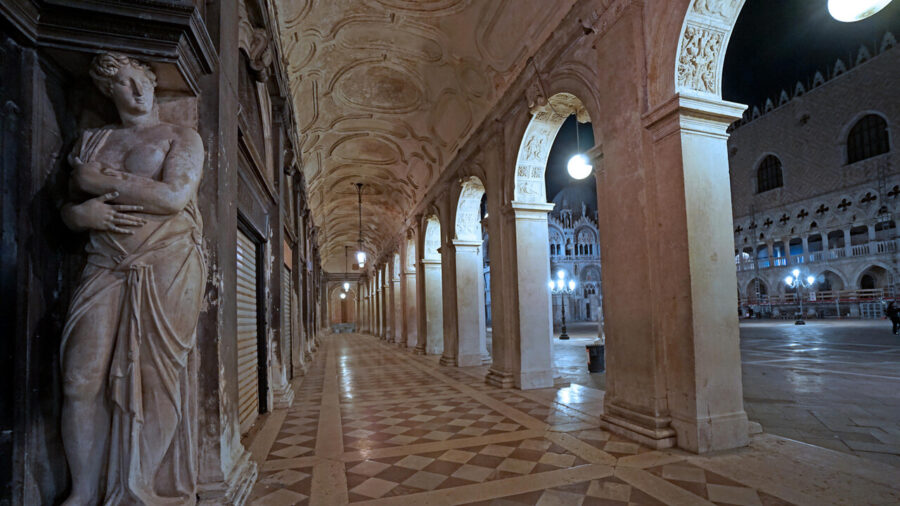
For 90 percent of Italians, culture serves as a vital pillar that shapes the identity and public perception of their cities, according to a recent report. The findings highlight how historical heritage and contemporary artistic scenes influence the way residents and visitors engage with urban centers.
Rome and Milan Lead Cultural Rankings
The study, conducted by Impresa Cultura Italia, assessed the cultural standing of major Italian municipalities. Rome secured the top position for its overall cultural footprint, bolstered by its extensive historical landmarks and museums. Meanwhile, Milan ranked first for its contemporary cultural offerings, reflecting the city’s focus on modern art, design, and innovation.
These rankings underscore a trend where cities leverage distinct aspects of their heritage to attract tourism and foster civic pride. According to the data, local administrations are increasingly prioritizing cultural investments to distinguish their regions in a competitive landscape.
Economic and Social Implications
The research suggests that cultural assets are not merely decorative but act as primary drivers for urban development. By anchoring city identity in cultural production, municipal leaders aim to enhance both local social cohesion and international appeal.
The report notes that the perception of a city is inextricably linked to the accessibility and quality of its cultural institutions. As urban areas continue to evolve, the ability to balance preservation with modern cultural development remains a central challenge for policymakers.
Why it matters: This analysis demonstrates that cultural infrastructure is a significant economic asset for major Mediterranean urban centers. Understanding these trends helps stakeholders in the Middle East and beyond evaluate how heritage management and contemporary investment strategies can effectively boost city branding and tourism revenue.
 Egypt
 Saudi Arabia
 UAE
 Spain
 United Kingdom
 United States
 China
 India