Marco Tronchetti Provera, executive vice chairman of Pirelli, has ruled out incorporating artificial intelligence into the company’s famous annual calendar. During recent discussions, Tronchetti described the prospect of an AI-generated calendar as “very sad.” He emphasized that the publication relies on human creativity and specialized craftsmanship rather than algorithmic production.
The Evolution of a Cultural Icon
The Pirelli Calendar, first published in 1964, has transitioned from a commercial product into a recognized art object. Tronchetti noted that the calendar functions as a “constantly changing ritual” for the company. While the publication has evolved significantly over six decades, moving away from its origins as a pin-up magazine toward high-art photography, the leadership remains committed to traditional production methods.
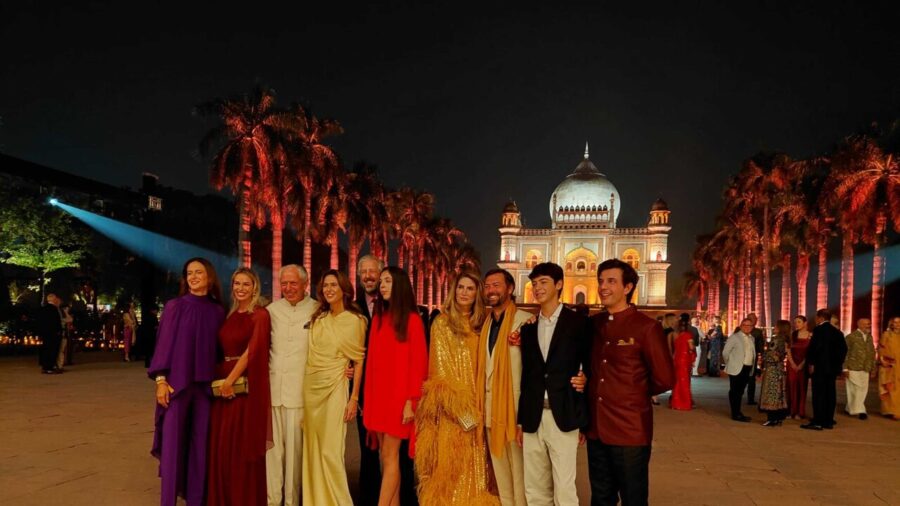
Pirelli recently confirmed that the 2027 edition of the calendar will be shot in India. This choice continues the tradition of selecting diverse, international locations to frame the calendar’s artistic narrative. By choosing specific geographic settings and human photographers, the company maintains the project’s status as a curated collection of photography rather than a digital asset.
Preserving Human Artistic Integrity
The rejection of AI reflects a broader debate within the photography and publishing industries regarding the role of automation. For Pirelli, the calendar serves as a flagship for its brand identity, which emphasizes performance and human precision. Tronchetti’s comments suggest that the value of the calendar lies specifically in the collaboration between the photographer and the subjects, a dynamic that current AI technology cannot replicate.
Looking ahead, Pirelli plans to continue its tradition of high-profile artistic collaborations. The 2027 edition will proceed under the established model of human-led creative direction, ensuring the calendar retains its distinct identity in an increasingly automated media landscape.
 Egypt
 Saudi Arabia
 UAE
 Spain
 United Kingdom
 United States
 China
 India