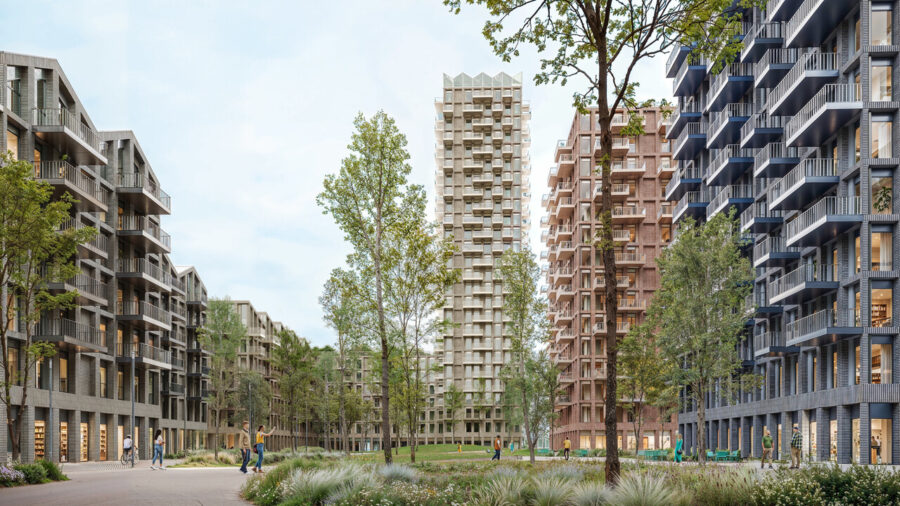
Italian architecture firm Stefano Boeri Architetti has unveiled plans to transform a former Soviet-era locomotive factory in Tbilisi, Georgia, into a sustainable, green urban district. The project aims to repurpose the industrial site into a mixed-use neighborhood focused on environmental integration.
Project Details and Design
The development will occupy the footprint of a historic locomotive manufacturing facility. Stefano Boeri Architetti, known for integrating vertical forests and vegetation into urban structures, intends to incorporate significant green space into the new district. The design focuses on revitalizing the industrial brownfield while maintaining a connection to the city’s history.
Key elements of the redevelopment include:
- Conversion of former industrial zones into residential and commercial spaces.
- Integration of native flora to improve urban air quality and temperature control.
- Preservation of architectural elements from the original factory site.
The firm has not yet announced a completion date for the project, nor has it provided specific details regarding the number of residential units or commercial square footage. The plan relies on the firm’s signature approach of combining high-density living with extensive landscaping.
Context and Future Development
Tbilisi has seen increased interest in urban renewal projects that address its industrial legacy. The project marks another international expansion for the Milan-based firm, which has implemented similar green architecture models in cities across Europe and Asia. By transforming a defunct manufacturing hub, developers aim to reduce urban sprawl while providing modern infrastructure in a central location.
Why it matters: This development highlights a broader trend of repurposing obsolete industrial infrastructure in post-Soviet cities. For regional observers, it demonstrates how architectural firms can balance historic preservation with environmental sustainability, offering a potential blueprint for urban regeneration projects in the Middle East and North Africa, where similar industrial sites often sit underutilized in growing urban centers.
 Egypt
 Saudi Arabia
 UAE
 Spain
 United Kingdom
 United States
 China
 India