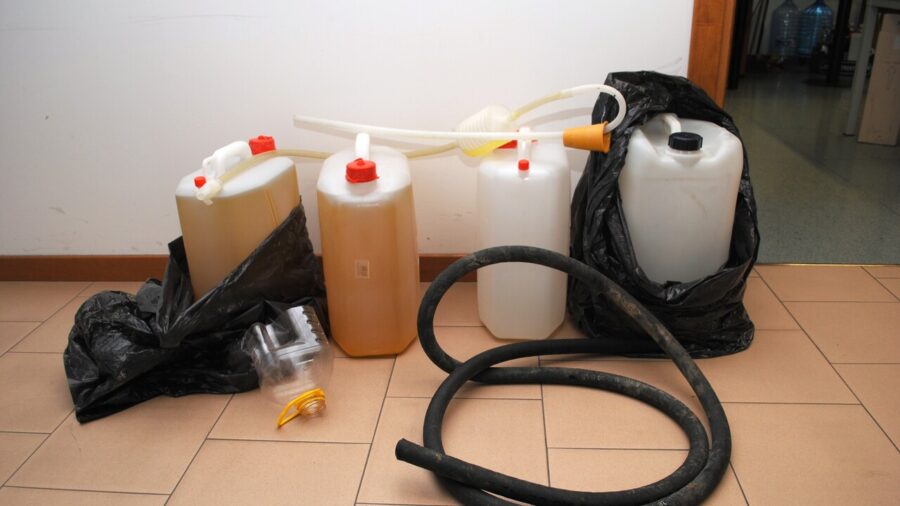
Medical staff in Naples treated at least 20 people this week following accidental gasoline ingestion. The incidents occurred as residents attempted to manually transfer fuel into their vehicles during a widespread protest by truck drivers.
The Risks of Manual Refueling
Local hospitals reported a surge in patients seeking care for respiratory and digestive issues related to fuel exposure. Authorities believe the victims were siphoning gasoline from storage containers into their cars due to fuel shortages caused by the logistics strike. Health officials warned that attempting to move fuel using improper methods, such as siphoning by mouth, poses severe health risks, including chemical pneumonia and poisoning.
Hospital administrators confirmed that the patients are currently stable. The influx of cases has prompted local authorities to issue public safety warnings regarding the handling of hazardous materials. Police have advised citizens to avoid attempting to transfer fuel manually, citing both the health dangers and the fire hazards associated with improper fuel storage.
Broader Implications of the Strike
The truck drivers’ strike has disrupted supply chains across the region, leading to empty pumps at many local gas stations. While the protest has paralyzed transport, the resulting fuel scarcity has created desperation among motorists attempting to maintain mobility. Emergency services remain on high alert as the strike continues to impact daily life in the city.
Why it matters: This incident highlights the dangerous consequences of supply chain disruptions on public health and safety. When essential services like fuel distribution are halted, individuals may resort to unsafe practices, underscoring the necessity for stable logistics networks to prevent public health crises in urban environments.
 Egypt
 Saudi Arabia
 UAE
 Spain
 United Kingdom
 United States
 China
 India