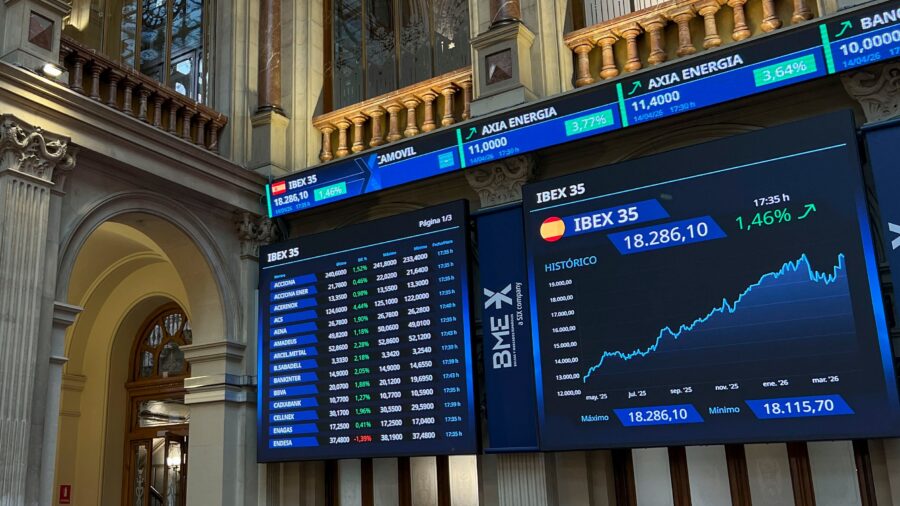
The Spanish Ministry of Economy has introduced two new financial products aimed at encouraging small savers to shift deposits into equity markets. The initiatives, the Individual Long-Term Savings Insurance (Sialpfe) and the Savings and Investment Account, are designed to stimulate productive investment within the European Union.
Expanding Capital Markets
The government’s primary objective is to broaden the European Union’s capital market, which officials describe as currently constrained. By offering tax incentives, the Ministry seeks to channel private savings into investment vehicles that support broader economic growth. The proposed products are intended to address the persistent need for increased productive investment across the bloc.
Risks for Small Savers
Critics have expressed concerns regarding the timing of this initiative. Financial analysts note that stock markets are currently experiencing high valuations, making it a potentially precarious environment for risk-averse individuals. There is apprehension that the strategy relies on small-scale savers to bear investment risks that may be unsuitable for their financial profiles.
- The Sialpfe provides a long-term insurance structure for savings.
- The Savings and Investment Account offers specific tax benefits.
- Both products aim to increase capital market depth in the EU.
The proposal marks a shift in how the government approaches private capital mobilization. While the goal of fostering economic investment is clear, the implementation strategy remains a subject of debate among market observers who question whether retail investors should be the primary participants in volatile market conditions.
Why it matters: This development highlights a broader European effort to reduce reliance on bank financing by diversifying funding sources. For international observers and regional economies, the move underscores the risks associated with incentivizing retail exposure to equity markets during periods of high asset valuation.
 Egypt
 Saudi Arabia
 UAE
 Spain
 United Kingdom
 United States
 China
 India
