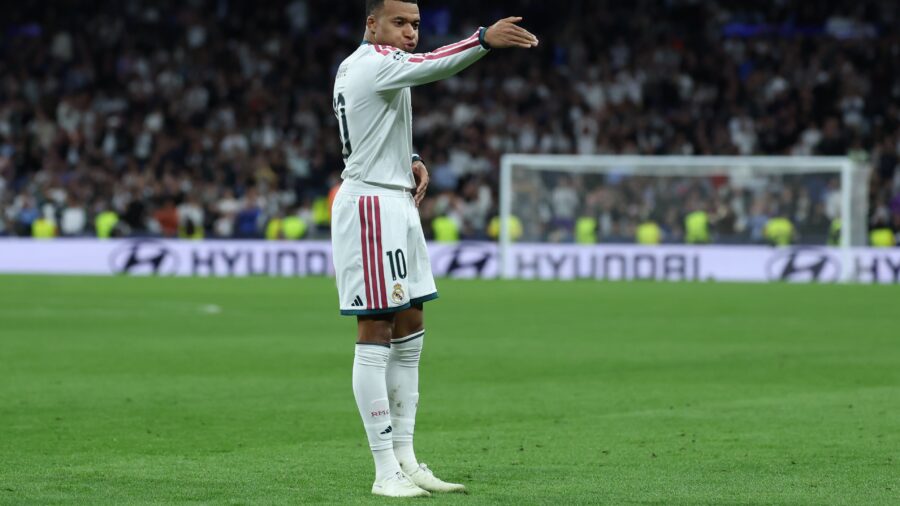
The rivalry between FC Barcelona and Real Madrid extends beyond the confines of a football pitch, functioning as a significant sociological phenomenon that impacts culture far more than sport alone. Matches between the two Spanish clubs, commonly referred to as El Clásico, have maintained intense historical friction for generations.
Understanding the Cultural Impact
Experts note that these fixtures are rarely viewed as standard athletic contests. Instead, the games serve as focal points for deep-seated social dynamics. The competition between Barcelona and Madrid represents a long-standing rivalry that influences broader societal attitudes within Spain and among global football audiences.
This dynamic is rooted in decades of history, where the football clubs have become symbols representing complex regional and political identities. While the outcome of the match is determined on the grass, the anticipation and aftermath of the event frequently dominate media and public discourse, indicating the match’s status as a major cultural event rather than a mere sporting fixture.
Context of Global Sports Rivalries
The intensity of the rivalry is often compared to other global sporting events that transcend their specific disciplines. Analysts suggest that the influence of El Clásico mirrors how sports can act as a proxy for wider societal tensions or differences. The sustained nature of the conflict between the two clubs ensures that each match carries weight, regardless of the current league standings or tournament implications.
Why it matters: This story highlights how professional sports clubs evolve into powerful sociological symbols. For readers in the Middle East and Egypt, where football rivalries often carry significant cultural and emotional weight, this illustrates the universal capacity of sport to mirror and amplify deep-seated societal identities and historical narratives.
 Egypt
 Saudi Arabia
 UAE
 Spain
 United Kingdom
 United States
 China
 India
