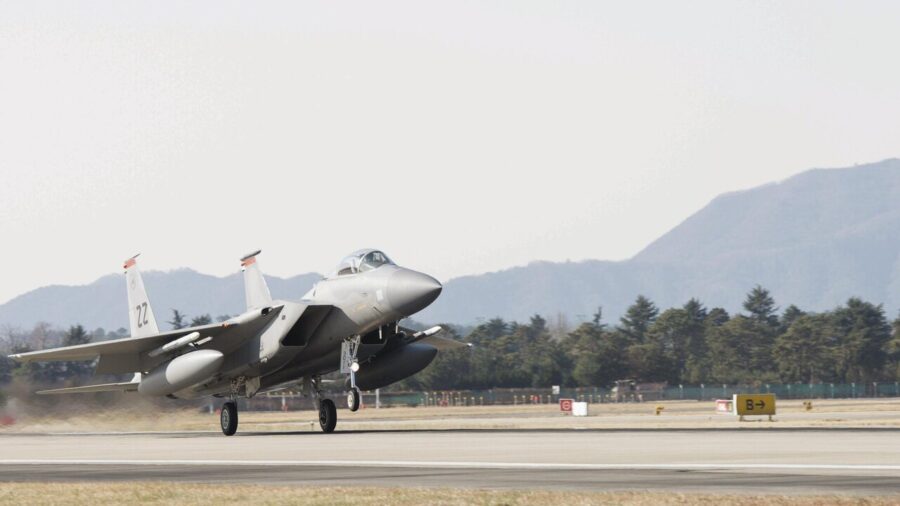
Security officials at Kadena Air Base in Japan have issued a directive banning the use of vehicles manufactured by the Chinese automaker BYD on base grounds. The decision follows internal assessments regarding potential vulnerabilities posed by the integration of foreign-made technology within sensitive military installations.
Security Concerns Cited
The US military command stated that the presence of BYD vehicles presents an unacceptable risk to both personnel and ongoing operations. While specific technical details regarding the nature of the threat were not publicly disclosed, the move aligns with broader US government efforts to restrict the use of Chinese-manufactured hardware and software in critical infrastructure and military environments.
Kadena Air Base, located on the island of Okinawa, serves as a strategic hub for US forces in the Indo-Pacific region. The installation supports a wide range of operational capabilities, making the protection of its internal networks and logistical supply chains a priority for defense planners.
Impact on Operations
The prohibition applies to all BYD vehicles currently operating within the base perimeter. Military personnel and contractors are now required to adhere to these new restrictions, which may necessitate adjustments to logistics and local transportation arrangements for those previously utilizing the brand. This policy reflects a heightened focus on counterintelligence and cybersecurity as geopolitical tensions influence military procurement and operational security standards.
The US military is expected to continue reviewing its supply chain and vendor policies to mitigate foreign influence. Future directives may further restrict the use of equipment or software originating from nations identified as strategic competitors.
Why it matters: This decision highlights the growing intersection of consumer technology and national security. For readers in the Middle East and Egypt, where Chinese automotive brands are rapidly expanding market share, this development underscores the potential for geopolitical disputes to disrupt commercial activities and infrastructure security.
 Egypt
 Saudi Arabia
 UAE
 Spain
 United Kingdom
 United States
 China
 India
