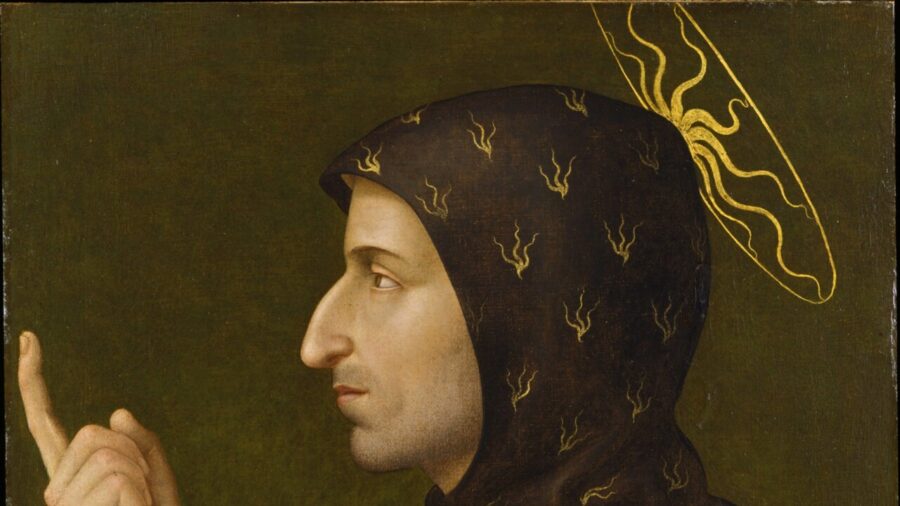
A new exhibition in New York is highlighting the work of Plautilla Nelli, recognized as the first female painter in Florence. The display follows a significant 2017 retrospective held at the Uffizi Gallery in Italy, which helped bring renewed attention to her artistic contributions during the Renaissance.
Key Takeaways
- Historical significance: Plautilla Nelli is documented by Giorgio Vasari as a pioneer among female painters in Florence.
- Rare recognition: The current exhibition marks the first comprehensive display of her work in New York.
- Previous exposure: Her profile was raised significantly by a major 2017 exhibition at the Uffizi Gallery.
- Religious role: Nelli was not only an artist but also served as a prioress within her convent.
A Renaissance Pioneer
Plautilla Nelli remains a notable figure in art history, largely due to her inclusion in Giorgio Vasari’s seminal texts on the lives of artists. As a nun and prioress in Florence, she navigated the constraints of her era to produce a body of work that has recently undergone scholarly re-examination. While her paintings were long overlooked or misattributed, modern conservation efforts have clarified her authorship and technical skill.
Impact of the Uffizi Retrospective
The 2017 exhibition at the Uffizi Gallery served as a catalyst for the international reassessment of Nelli’s career. Curators and historians utilized that event to present a more accurate portrait of her influence within the Florentine art scene. This New York exhibition continues that effort, providing North American audiences with access to pieces that define her unique style and thematic focus on religious iconography.
Why it matters: This exhibition is important because it corrects historical omissions regarding female artists in the Renaissance. By centering on Nelli, the show contributes to a broader understanding of how convent life and religious institutions supported artistic production, offering a more complete view of art history for global audiences.
 Egypt
 Saudi Arabia
 UAE
 Spain
 United Kingdom
 United States
 China
 India
