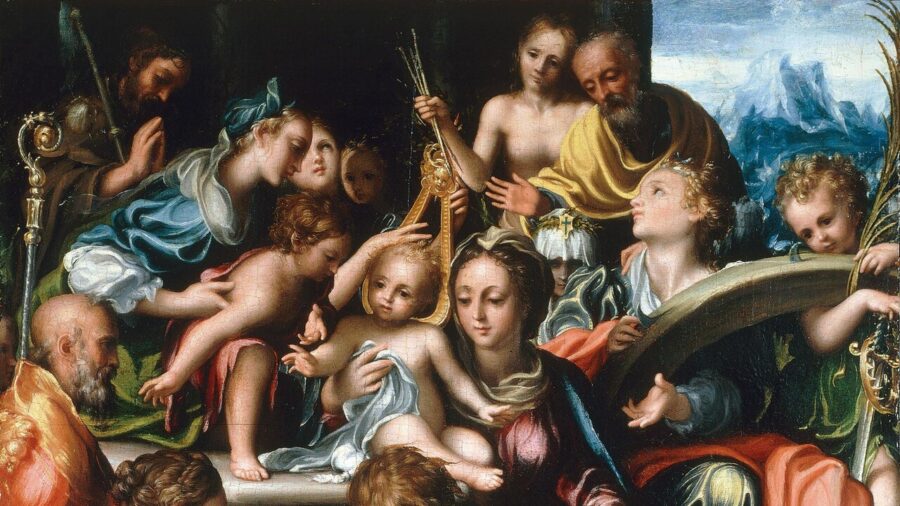
A new exhibition at the Pilotta museum in Parma, Italy, highlights the artistic career of Giorgio Gandini Del Grano. The show focuses on the painter’s connection to the tradition of Renaissance artist Correggio.
Key takeaways
- Exhibition location: The collection is currently hosted at the Pilotta complex in Parma.
- Artistic legacy: Curators describe Gandini Del Grano as a direct artistic heir to Correggio.
- Curatorial approach: The show is presented as an accurate and detailed exploration of his body of work.
- Historical context: The exhibition aims to re-examine the artist’s role within the Parma school of painting.
Examining the Artist’s Influence
The Pilotta museum has curated a selection of works intended to provide a comprehensive look at the painter. Organizers state that the exhibition aims to clarify the artist’s specific contributions to the local art scene. By positioning him as a successor to Correggio, the exhibit explores how Renaissance techniques were adapted and continued in the region.
The presentation includes a focused analysis of his paintings, allowing visitors to see the technical progression of his style. The museum notes that this is an effort to bring renewed attention to a figure often overshadowed by his contemporaries.
The Connection to Correggio
The exhibition highlights the stylistic lineage between Gandini Del Grano and Antonio da Correggio. According to the museum’s documentation, the artist adopted several techniques characteristic of the master, integrating them into his own compositions. This show provides evidence of that influence through specific comparative pieces on display.
Why it matters: This exhibition is significant for art historians and scholars of the Italian Renaissance. It provides a rare opportunity to study the development of regional painting styles and the transmission of artistic methods between masters and their successors in 16th-century Italy.
 Egypt
 Saudi Arabia
 UAE
 Spain
 United Kingdom
 United States
 China
 India
