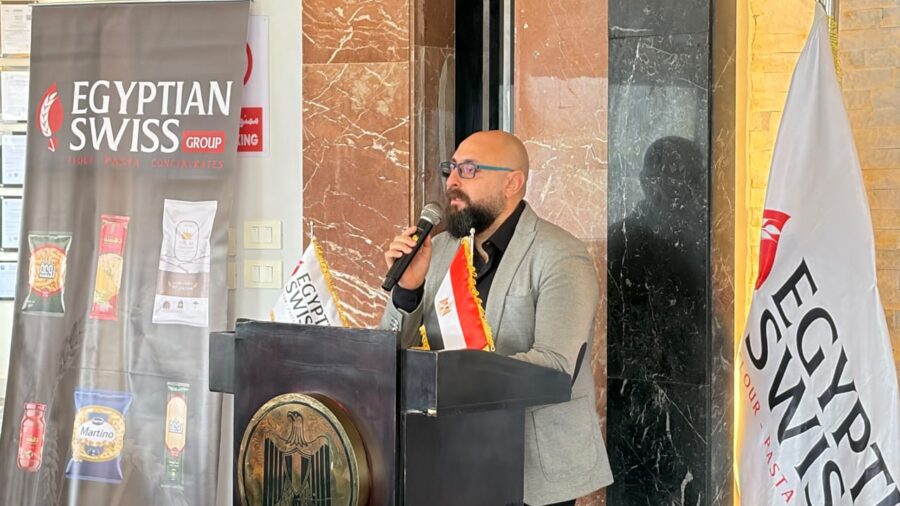
The Egyptian Swiss Group for Pasta, Milling, and Concentrates anticipates reaching EGP 11 billion in turnover this year, projecting growth between 10% and 15% across its core business segments. The company, which currently exports to approximately 60 countries, attributes 10% of Egypt’s total pasta exports and 15% of its flour exports to its operations, according to General Manager Ahmed El-Sebaei.
Investment and Infrastructure
The company has initiated a €5 million investment to install a new Italian-made pasta production line, including packaging machinery. This equipment is scheduled for delivery and installation within a period of nine months to one year. The project is part of a five-year expansion strategy that includes upgrading milling capacity, increasing ready-made sauce production, and evaluating potential solar energy integration.
Market Diversification and Future Planning
Management is evaluating the addition of new milling lines for next year, with estimated costs ranging from €4 million to €5 million per unit. To fund these expansions, the group is reviewing financing offers from several banks, though no final agreements have been reached. The company is actively targeting entry into markets in China, Europe, and the United States. While the firm has secured certification for Chinese exports, it is navigating import quota challenges and exploring partnerships with Chinese entities establishing bakery operations in Egypt.
Current Operational Status
The company currently operates two flour mills in 10th of Ramadan City and Alexandria with a daily capacity of 1,500 tonnes. Its three pasta lines produce 7,500 tonnes monthly. Despite global wheat price increases of $50 to $70 per tonne over the past six weeks, the group continues to source imported wheat from nations including Romania and France. Export revenues are utilized to secure foreign currency for raw material imports.
Why it matters: This expansion highlights the role of export-oriented manufacturing in Egypt’s economy. By securing foreign currency through international trade, the company mitigates the impact of rising global commodity costs and supports local industrial growth.
 Egypt
 Saudi Arabia
 UAE
 Spain
 United Kingdom
 United States
 China
 India
