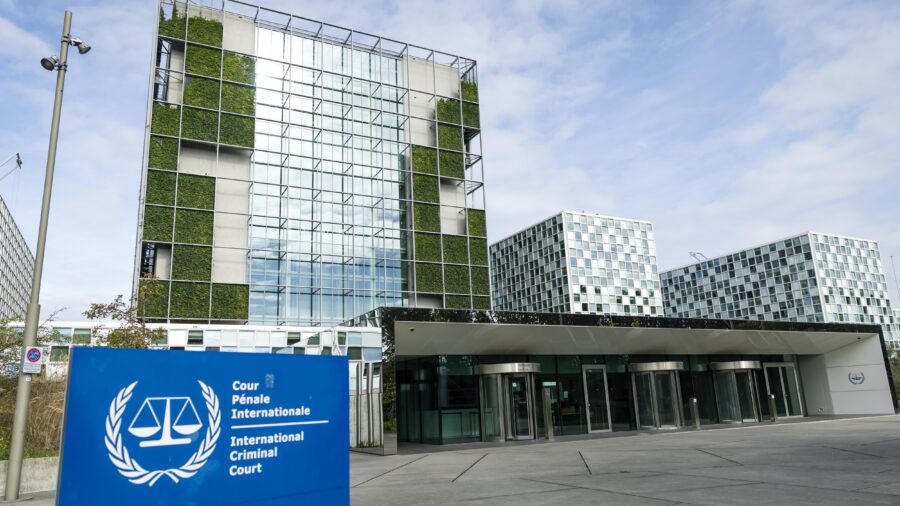
Widespread protests against the concentration of political and economic power have expanded to target national institutions. Demonstrators are voicing grievances regarding human rights abuses, the erosion of democratic processes, and declining living conditions.
Key Developments
- Institutional scrutiny: Protests are no longer limited to government offices but have extended to broader institutional structures.
- Human rights focus: Activists cite ongoing harassment of human rights as a primary driver of the civil unrest.
- Democratic concerns: Participants are demanding greater accountability and the restoration of democratic norms.
- Economic strain: The protests are fueled by public frustration over the extreme concentration of economic and political power.
- Living conditions: Deteriorating economic stability is directly contributing to the scale and intensity of the demonstrations.
Escalating Public Discontent
The unrest stems from perceived systemic failures, with citizens expressing alarm over how power is consolidated within the state. According to reports, the concentration of both political and economic influence has created an environment where democratic checks and balances are allegedly undermined. This consolidation is being blamed for the current economic difficulties facing the population, which in turn has galvanized support for the protest movement.
Observers note that the movement is moving beyond general dissatisfaction to specifically challenge the institutions perceived as enabling this centralization. By targeting these entities, protesters aim to force a systemic reassessment of the current governing model.
Why it matters: The shift toward protesting institutional power signals a deepening crisis of confidence in state structures. For regions where political and economic power are tightly centralized, this trend highlights the potential for widespread civil disruption when basic living conditions and human rights are perceived as secondary to the interests of the political elite.
 Egypt
 Saudi Arabia
 UAE
 Spain
 United Kingdom
 United States
 China
 India
