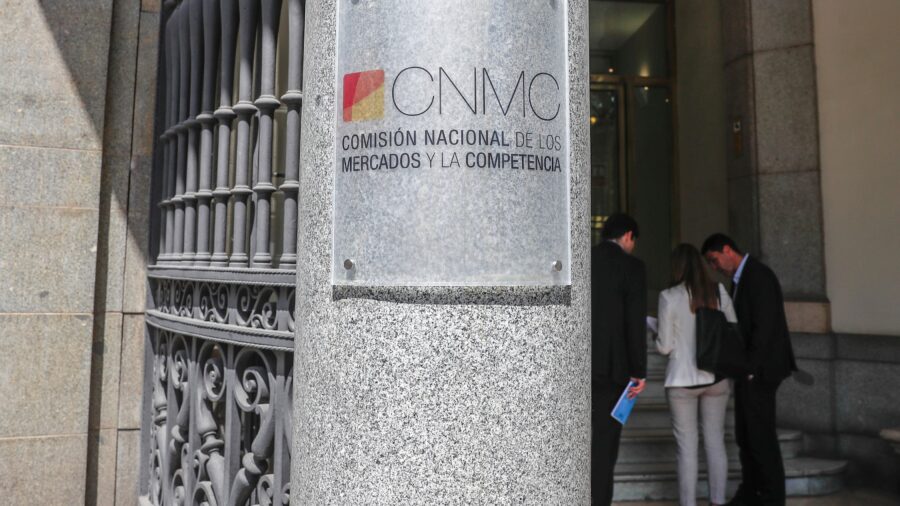
Spain’s National Commission on Markets and Competition (CNMC) has launched a review of the financial structure underpinning the stability of the national electricity system. The regulator is examining how to allocate the costs associated with preventing power outages and maintaining grid voltage.
July 27, 2026
The CNMC formally requested that Red Eléctrica de España (REE) conduct an exhaustive analysis regarding the methodology for assigning technical restriction costs to demand. This regulatory action follows concerns regarding the high financial burden of these operational measures, which are essential for ensuring a stable electricity supply across the peninsula.
Future Policy Adjustments
The regulator aims to use the findings from the REE study to determine a new framework for cost imputation. Currently, these technical constraints represent a significant expense within the electrical system. The commission’s intervention signals a potential shift in how these operational costs are distributed among market participants and consumers.
Current Status
The debate over grid stability funding is now officially open. The CNMC is awaiting the report from Red Eléctrica to guide its next regulatory decisions regarding the electricity sector’s economic model.
Why it matters: This investigation directly addresses the rising costs of maintaining energy security. By reviewing who pays for technical constraints, the Spanish regulator seeks to stabilize electricity pricing and ensure the grid remains resilient against outages, a critical concern for energy-dependent economies.
 Egypt
 Saudi Arabia
 UAE
 Spain
 United Kingdom
 United States
 China
 India
