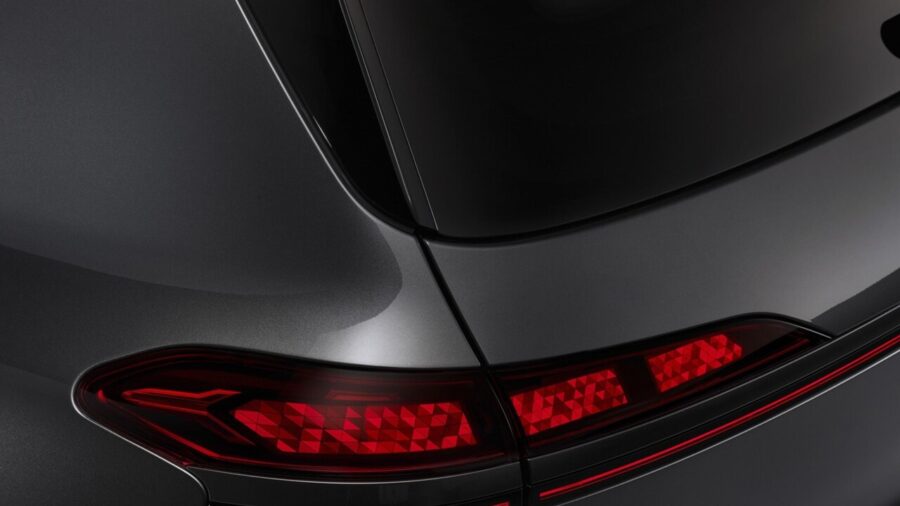
Audi has unveiled new 3D curved digital OLED taillights on its upcoming Q9 SUV model. The automaker announced the technology integrates 512 individual segments distributed across six separate panels.
Advancements in Lighting Technology
The implementation of 3D curved OLEDs marks a development in vehicle exterior lighting design. By utilizing 512 distinct segments, the system allows for greater control over light intensity and pattern distribution across the curved surface of the vehicle’s rear. Audi engineers stated that this configuration provides a more seamless appearance compared to traditional flat panel displays.
The technology aims to improve visibility and signaling capabilities. The six-panel arrangement enables dynamic animations and precise light control, which Audi suggests will enhance communication with other road users. The integration of these panels into the curved geometry of the Q9 represents an evolution from the company’s previous generation of OLED lighting systems.
Technical Specifications and Integration
The digital OLED system operates through a centralized control unit that manages each of the 512 segments independently. This allows the vehicle to display complex graphics and light signatures that conform to the bodywork of the SUV. The move toward curved surfaces is part of a broader industry trend to integrate functional lighting components directly into the aerodynamic lines of vehicle designs.
The Q9 will serve as the platform for this technology, which is expected to appear on subsequent models in the Audi lineup. The company has not provided specific details regarding repair costs or the durability of the curved panels in real-world driving conditions.
Why it matters: As the automotive industry shifts toward increased electrification and digital integration, lighting systems are evolving from simple safety indicators into complex communication interfaces. For markets in the Middle East and Egypt, where luxury vehicle adoption remains high, these technological advancements set new standards for premium vehicle aesthetics and safety features, influencing consumer expectations for high-end automotive imports.
 Egypt
 Saudi Arabia
 UAE
 Spain
 United Kingdom
 United States
 China
 India
