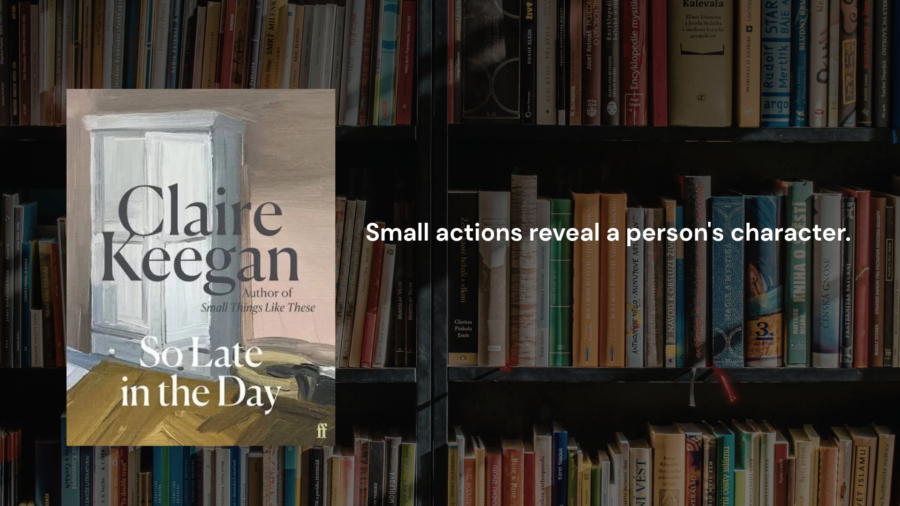
Irish author Claire Keegan’s literary work, So Late in the Day, examines the nuances of human behavior within romantic relationships. The story centers on a man named Cathal, who reflects on his past connection with a woman named Sabine. Through his memories, the narrative analyzes how individual choices and unspoken expectations shape the trajectory of a partnership.
Key Takeaways
- Character revelation: The narrative suggests that ordinary, daily actions serve as more reliable indicators of character than grand gestures or self-descriptions.
- Subtle habits: Small decisions and habitual responses often reveal underlying attitudes toward gender roles and personal responsibility.
- Relational requirements: The text posits that affection alone is insufficient for a healthy partnership, which requires active consideration and compromise.
- Self-reflection: Keegan emphasizes the importance of questioning one’s own assumptions rather than expecting a partner to adapt unilaterally.
- Action over intent: The story argues that intentions, however good, do not mitigate the impact of behavior on others.
The Role of Ordinary Behavior
Keegan focuses on the mundane aspects of daily life to reveal character. The story suggests that what people say about themselves is often less significant than how they act in routine situations. According to the text, observing how individuals handle disagreements, share responsibilities, or listen to others provides a clearer picture of their values. These patterns of behavior, rather than dramatic conflicts, often determine the success or failure of a relationship.
 Egypt
 Saudi Arabia
 UAE
 Spain
 United Kingdom
 United States
 China
 India
