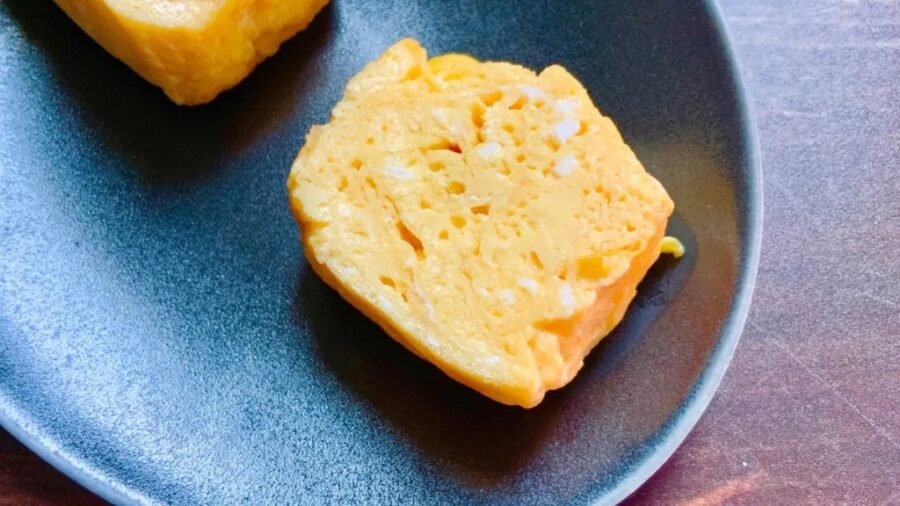
A simple substitution in the preparation of dashimaki tamago—a traditional Japanese rolled omelet—may yield a lighter, fluffier texture, according to recent culinary experiments. Replacing standard water with sparkling water in the egg mixture introduces carbonation that expands during the cooking process.
The Science of the Swap
Dashimaki tamago consists of eggs, dashi, and water. The traditional preparation involves pouring the mixture into a rectangular pan in stages, rolling the omelet over itself repeatedly to create distinct layers. While the recipe is straightforward, achieving a consistent, airy texture requires technical precision.
The technique gained attention following a segment on the Asahi TV program Tantei! Knight Scoop. To test the method, reporters prepared two versions of the dish. The control group used standard water, while the experimental group utilized sparkling water. The preparation instructions remain consistent with traditional methods: mix the eggs and dashi, and then incorporate the carbonated water immediately before pouring the mixture into a preheated, oiled pan.
Results of the Comparison
Visual observation during the cooking process indicated that the sparkling water mixture generated significant bubbles upon contact with the heat. When the finished omelets were compared, the version made with sparkling water appeared noticeably larger and plumper than the control version, despite both containing the same volume of ingredients.
The bubbles created by the carbonated water appear to provide internal lift during the rapid heating phase of the omelet preparation. This expansion helps the egg layers maintain volume and prevents the final product from becoming dense or flat, which can occur with standard water.
Why it matters: Culinary techniques that improve texture without adding complex ingredients or equipment are frequently sought after by home cooks. For international audiences and those in the Middle East interested in Japanese cuisine, this accessible hack offers a practical method to refine a technical dish, demonstrating how basic chemistry can influence the quality of standard household recipes.
 Egypt
 Saudi Arabia
 UAE
 Spain
 United Kingdom
 United States
 China
 India
