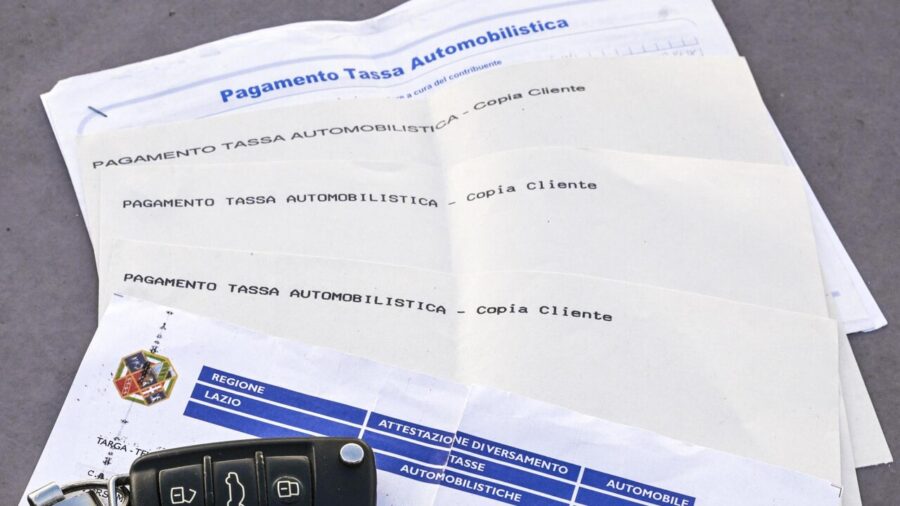
Italian lawmakers are considering a provision in the upcoming budget law that would eliminate the annual vehicle tax for large families. Under the proposal, households with at least four children would be exempt from paying the tax, known locally as the bollo auto, for vehicles with engines up to 133 kilowatts.
Targeting Financial Relief
The measure is designed to provide targeted economic support to families with significant caregiving responsibilities. By capping the exemption at 133 kilowatts, the policy aims to exclude luxury vehicles while focusing relief on standard family vans and multi-passenger cars typically used by larger households.
The Parliamentary Budget Office (UPB) has reviewed the proposal. Analysts noted that the tax break is structured to assist lower-income families who face higher transportation costs. However, the budget office also cautioned that the implementation requires a careful assessment of how the loss of revenue will affect regional government budgets, as car taxes are a primary source of funding for regional administrations in Italy.
Next Steps
The proposal remains subject to ongoing budget negotiations in parliament. Lawmakers must now balance the social objective of supporting large families against the fiscal stability of regional governments, which rely on these tax collections. If approved, the policy would represent a shift in regional taxation policy aimed at demographic support.
Why it matters: This proposal highlights the ongoing tension between social welfare policies and regional fiscal autonomy in Italy. For observers in the Middle East and Egypt, where large family structures are common, the debate underscores how governments use targeted tax relief to alleviate cost-of-living pressures, while also illustrating the complex financial trade-offs inherent in decentralized tax systems.
 Egypt
 Saudi Arabia
 UAE
 Spain
 United Kingdom
 United States
 China
 India
