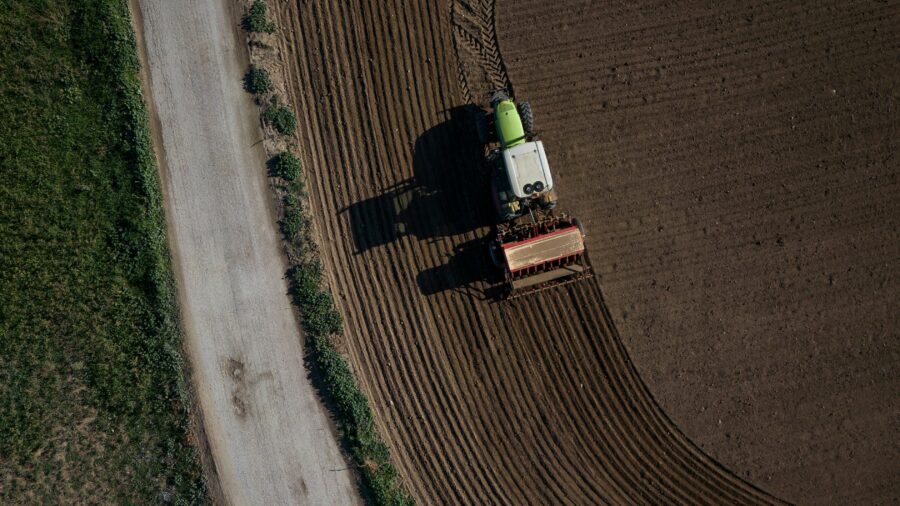
Spanish farmers are continuing with planned demonstrations in Madrid on Wednesday, rejecting a recent partial agreement on the Common Agricultural Policy (CAP) reached by the European Union Council. Agricultural organizations have characterized the EU’s proposed reforms as insufficient, describing the measures as imprecise and inadequate for addressing the sector’s long-term economic challenges.
Key Takeaways
- Protest plans: Organizers expect approximately 500 tractors and thousands of farmers to gather outside the Ministry of Agriculture in Madrid.
- Agreement rejection: The agricultural sector has dismissed the EU Council’s late-Monday agreement on CAP reform as a superficial measure.
- Core demands: Demonstrators are advocating for policies that ensure profitability and long-term viability for farming operations.
- Slogan usage: The mobilization is operating under the banner “Feeding [people] must allow for a living,” highlighting the financial strain on producers.
- Historical context: The sector has a long history of state-wide protests, with roots dating back to significant unrest in 1977 regarding market regulations.
Sectoral Discontent
The upcoming protest reflects ongoing tension between European agricultural policy and the economic realities faced by farmers. Industry representatives expressed skepticism regarding the EU’s recent efforts to reform the CAP, arguing that the changes do not provide the structural support necessary for the industry’s survival. The demonstrators are calling for specific mechanisms that go beyond direct aid, including broader market regulation to stabilize the sector.
 Egypt
 Saudi Arabia
 UAE
 Spain
 United Kingdom
 United States
 China
 India
