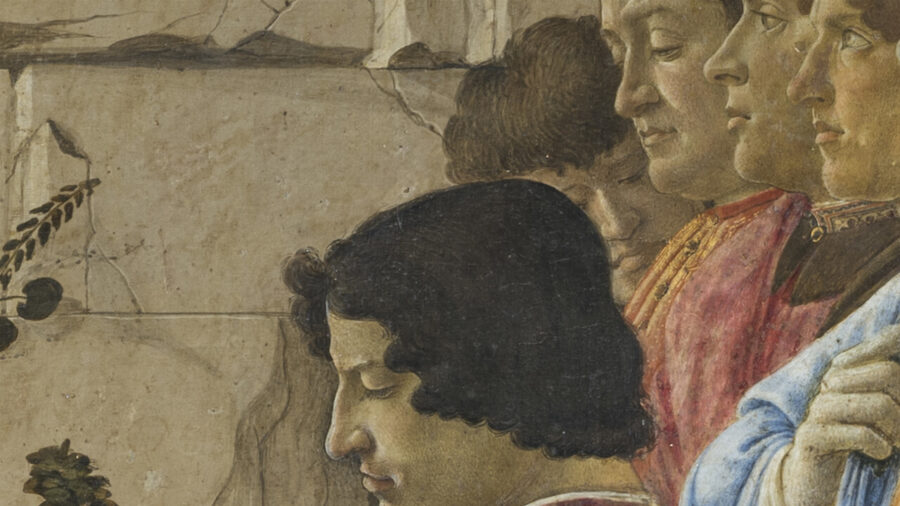
A Rare Gathering of Renaissance Masterpieces
Visitors to Florence’s Palazzo Pitti can now view a significant assembly of art collected by Lorenzo the Magnificent. The exhibition features more than 100 works that highlight the cultural influence of the Medici family leader during the Italian Renaissance.
The centerpiece of the display is the reunification of Paolo Uccello’s “Battle” trilogy. The three paintings, which depict scenes from the Battle of San Romano, are rarely seen together in a single location. Their presence at the Pitti Palace allows scholars and the public to view the panels as the artist originally intended.
The Legacy of Lorenzo de’ Medici
The exhibition focuses on the personal collection of Lorenzo de’ Medici, known as “The Magnificent,” who ruled Florence during the height of its artistic output in the 15th century. Organizers have curated the selection to reflect the breadth of his patronage, which included paintings, sculptures, and rare artifacts.
By showcasing these items alongside one another, the museum aims to reconstruct the environment of the Medici household. The exhibition provides insight into the tastes and political strategies of the Florentine leader, who used art to consolidate power and establish diplomatic ties across Europe. Historians note that Lorenzo’s ability to acquire and commission works was central to his identity as a statesman.
The exhibition remains open to the public, offering a comprehensive look at one of history’s most influential private collections. Future programming at the museum will likely continue to explore the provenance of these works as ongoing research clarifies the history of the Medici acquisitions.
Why it matters: This exhibition provides a rare opportunity to examine the intersection of art and political power during the Renaissance. For audiences in the Middle East and Egypt, where the preservation and display of cultural heritage remain subjects of significant national interest, the show offers a model for how private collections can be contextualized within broader historical narratives.
 Egypt
 Saudi Arabia
 UAE
 Spain
 United Kingdom
 United States
 China
 India
