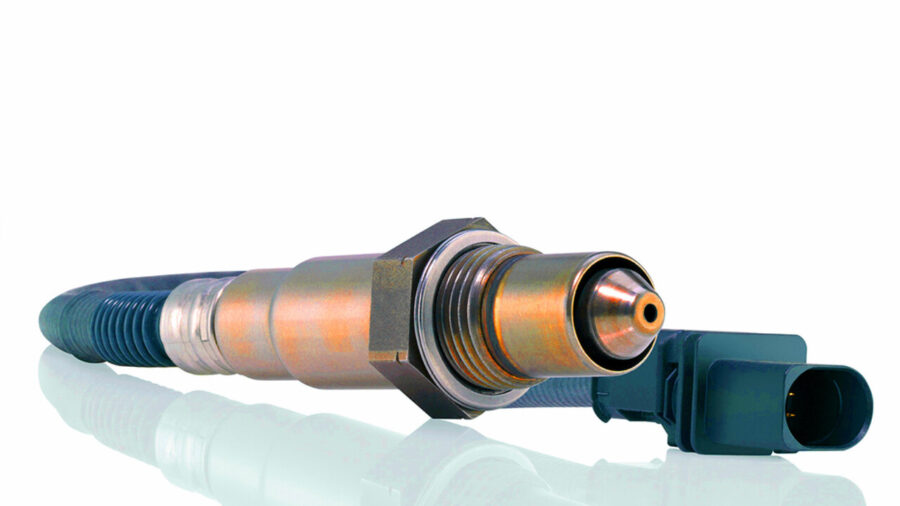
German engineering firm Bosch is marking the 50th anniversary of its lambda sensor, a critical component in automotive emissions control. Since its introduction, the sensor has played a central role in enabling the operation of three-way catalytic converters, significantly reducing vehicle exhaust pollutants.
Key Milestones of the Lambda Sensor
- Technological milestone: The lambda sensor, first patented in 1973, measures oxygen content in exhaust gases to manage fuel combustion.
- Environmental impact: By facilitating precise air-fuel ratios, the sensor allows catalytic converters to neutralize harmful emissions.
- Global adoption: The technology has become a standard requirement for internal combustion engines worldwide over the last five decades.
- Evolutionary design: Bosch has continuously refined the sensor’s durability and response time to meet tightening international emission standards.
- Engine efficiency: The sensor provides real-time data to engine management systems, which optimizes fuel consumption alongside emission reduction.
The Role of the Lambda Sensor in Emissions Control
The lambda sensor functions by analyzing the oxygen concentration in the exhaust stream. This data is transmitted to the vehicle’s engine control unit (ECU). The ECU uses this information to adjust the air-fuel mixture in the combustion chamber. This closed-loop system is necessary for the effective operation of the catalytic converter, which requires a specific chemical balance to convert toxic gases—such as carbon monoxide, unburned hydrocarbons, and nitrogen oxides—into less harmful substances.
Technological Development
Since the 1970s, Bosch has produced millions of these sensors. The technology has evolved from the initial planar sensor designs to more sophisticated wideband sensors. These advancements have allowed for better performance in a wider range of driving conditions, supporting the automotive industry’s efforts to comply with increasingly stringent environmental regulations across Europe, North America, and Asia.
 Egypt
 Saudi Arabia
 UAE
 Spain
 United Kingdom
 United States
 China
 India
