The European Automobile Manufacturers’ Association (ACEA) is calling for a delay in the implementation of the Euro 7 emissions standards for heavy-duty vehicles. The industry group cites potential operational difficulties and the need for more time to align production schedules with new regulatory requirements.
Proposed Timeline Adjustments
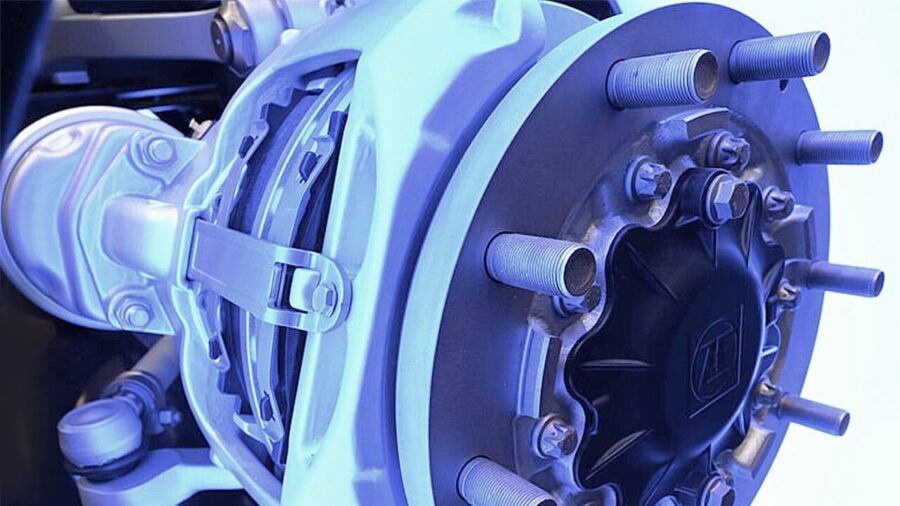
ACEA officials stated that the sector requires an additional five-year extension specifically for braking system regulations. Furthermore, the association is requesting a two-year delay for the comprehensive Euro 7 standards package. The group argues these adjustments are necessary to prevent logistical strain within the automotive manufacturing supply chain.
Industry Challenges
The transition to stricter emissions regulations involves significant technical and financial investments for manufacturers. ACEA maintains that the current proposed timeline places undue pressure on companies already managing complex shifts in powertrain technology. By extending these deadlines, the association claims manufacturers can better integrate the required technological upgrades without disrupting the supply of essential heavy vehicles.
The proposal highlights the tension between environmental policy goals and the practical timelines required for industrial adaptation. ACEA has not yet received a formal response from European regulators regarding these specific extension requests.
Why it matters: For the Middle East and Egypt, where European vehicle standards often influence local import regulations and manufacturing benchmarks, shifts in Euro 7 timelines could impact the availability and cost of heavy-duty trucks and buses. A delay in Europe may postpone the introduction of cleaner vehicle technologies in export markets dependent on European manufacturing standards.
 Egypt
 Saudi Arabia
 UAE
 Spain
 United Kingdom
 United States
 China
 India
