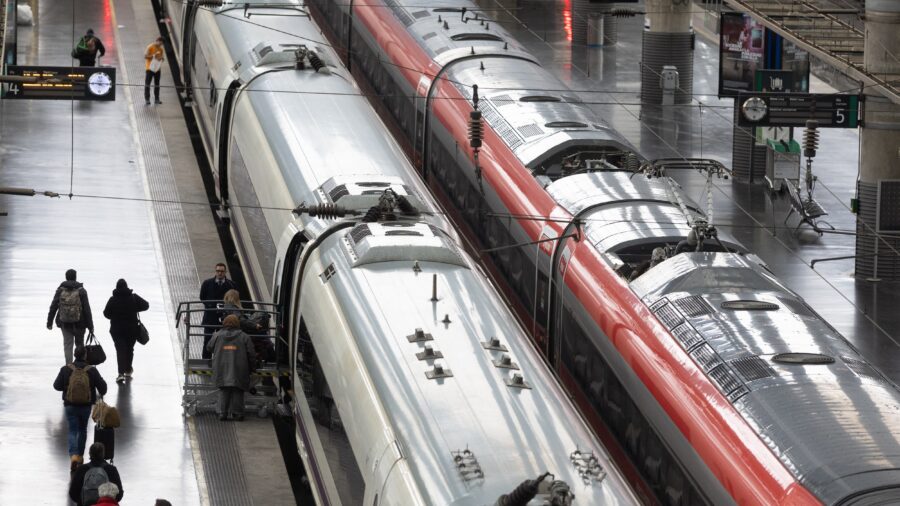
A recent fatal accident on the Madrid-Sevilla high-speed rail line has prompted calls from engineers and academics for a fundamental shift in how Spain manages its railway network. The incident, the second to occur on the line this year, has placed renewed scrutiny on whether the country prioritizes network expansion over necessary upkeep.
Prioritizing New Construction
Experts argue that while rail traffic on the high-speed network has multiplied, maintenance has remained a secondary concern. According to those consulted, Spain has historically favored the inauguration of new high-speed kilometers over ensuring the structural integrity of existing tracks, signaling systems, and operational corridors.
Data from the European Commission supports these claims. Between 2018 and 2022, Spain allocated an average of 240 million euros annually to maintain its high-speed network. This figure represents only 16 percent of the total spending on the system during that period. Conversely, 1.24 billion euros were directed toward the construction of new infrastructure.
Comparison with European Peers
In contrast, neighboring countries maintain different budgetary priorities. In France and Germany, expenditures dedicated to the maintenance, renewal, and improvement of existing lines account for approximately one-third of their total rail spending.
As the investigation into the latest accident continues and casualty figures remain unconfirmed, industry professionals are urging authorities to reevaluate management practices. They contend that the current strategy is insufficient to ensure long-term safety and reliability.
Why it matters: The debate highlights a common dilemma for nations investing in massive infrastructure projects: balancing the political appeal of opening new routes against the less visible, yet critical, costs of maintaining established systems. For regions like the Middle East, where high-speed rail networks are rapidly developing, these findings underscore the necessity of allocating sufficient, sustained funding for maintenance from the outset to avoid future safety risks.
 Egypt
 Saudi Arabia
 UAE
 Spain
 United Kingdom
 United States
 China
 India
