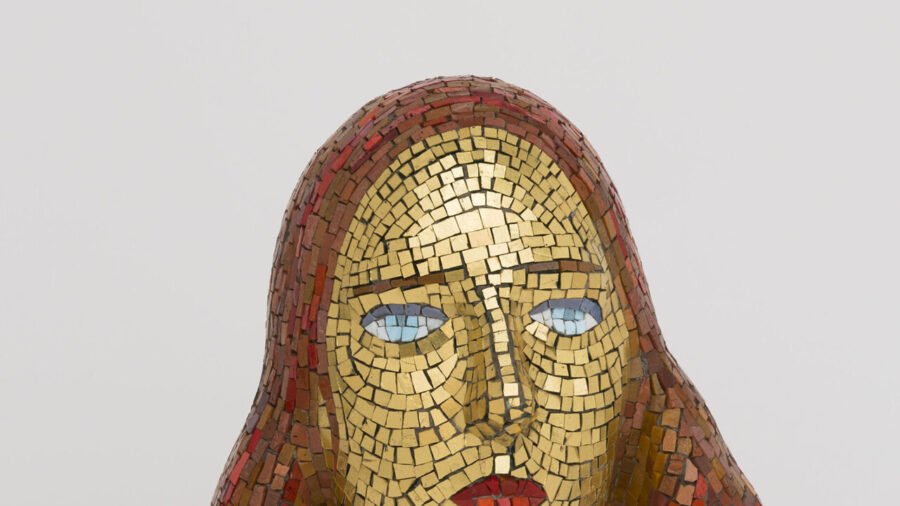
Palazzo Citterio in Milan is hosting a new exhibition titled “The Masters of Brera: Teaching Art,” highlighting the historical influence of the Accademia di Brera. The showcase serves as a key event in the year-long celebration marking the 250th anniversary of the academy’s founding.
A Legacy of Artistic Education
The exhibition focuses on the educational lineage of the institution, tracing its development from its inception to its status as a prominent cultural center. Curators have assembled works and documents designed to illustrate the teaching methods and artistic philosophies that shaped generations of students at Brera.
By highlighting the relationship between masters and pupils, the exhibition provides insight into the pedagogical approaches that defined the academy’s curriculum over two and a half centuries. The display at Palazzo Citterio is part of a broader series of initiatives organized to commemorate the anniversary, reflecting the institution’s ongoing role in European art history.
Historical Context
Founded in the 18th century, the Accademia di Brera has functioned as a central pillar for artistic training in Italy. The institution has navigated various political and social changes in Milan, maintaining its position as a hub for both traditional techniques and contemporary artistic discourse.
The current exhibition aims to contextualize the academy’s evolution within the wider framework of Italian cultural history. Organizers emphasize that the collection of “Masters of Brera” is intended to demonstrate how the institution adapted its teaching to changing societal expectations while preserving the core tenets of classical art education.
Why it matters: This exhibition highlights the endurance of institutional art education in Europe. For students and historians, understanding the Brera Academy’s 250-year history offers a case study on how art schools preserve cultural heritage while adapting to new generations of artists.
 Egypt
 Saudi Arabia
 UAE
 Spain
 United Kingdom
 United States
 China
 India
