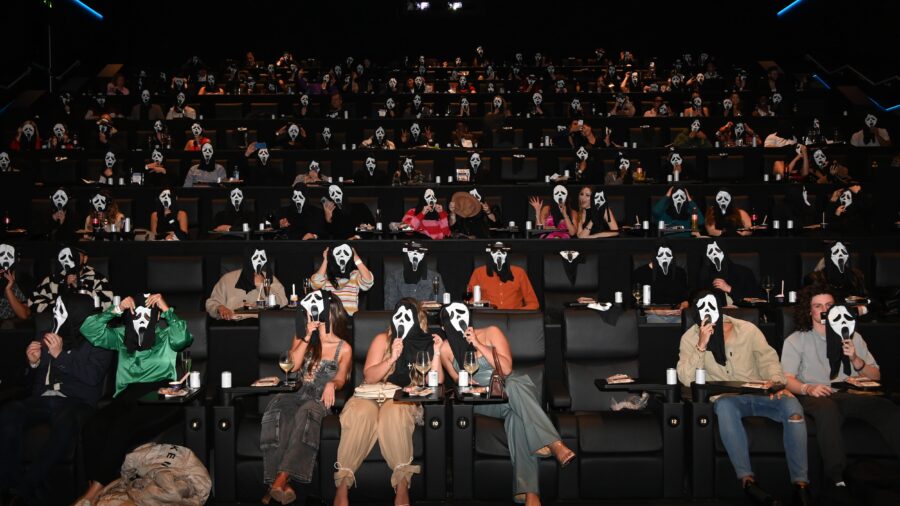
Audiences frequently consume horror literature and film despite the negative emotions these works elicit, such as fear, distress, or discomfort. While these reactions seem counterintuitive, authors and cultural critics argue that the genre serves a specific psychological function by allowing people to engage with fear in a safe, fictional context.
Key Insights into Horror Consumption
- Psychological relief: Fiction allows individuals to confront anxieties without the risks associated with real-life threats.
- Distinction of reality: Readers and viewers recognize that supernatural elements like vampires or monsters are not real, which creates distance from the source of the fear.
- Symbolic processing: Horror stories often mirror genuine life challenges, such as alienation, aging, and hostility.
- Internal alignment: The genre addresses the disconnect between outward appearances and internal emotional struggles.
- Historical context: Stephen King’s 1981 essay Danse Macabre remains a foundational text examining the evolution of the genre between 1950 and 1980.
Stephen King’s Perspective
In his 1981 essay Danse Macabre, Stephen King addressed recurring inquiries regarding the public’s fascination with horror. King noted that many people falsely assume an interest in horror is inherently unhealthy or aberrant. He argued that horror fiction provides a unique framework for processing complex human experiences.
King emphasized that the true power of horror lies not in the supernatural elements themselves, but in their ability to represent genuine human struggles. While audiences do not believe in fictional monsters, they do recognize the underlying themes of hatred, loneliness, and the difficulties of navigating a hostile world. King suggests that these stories act as a mechanism for connecting the external facade people project with the internal turmoil they often hide.
 Egypt
 Saudi Arabia
 UAE
 Spain
 United Kingdom
 United States
 China
 India
