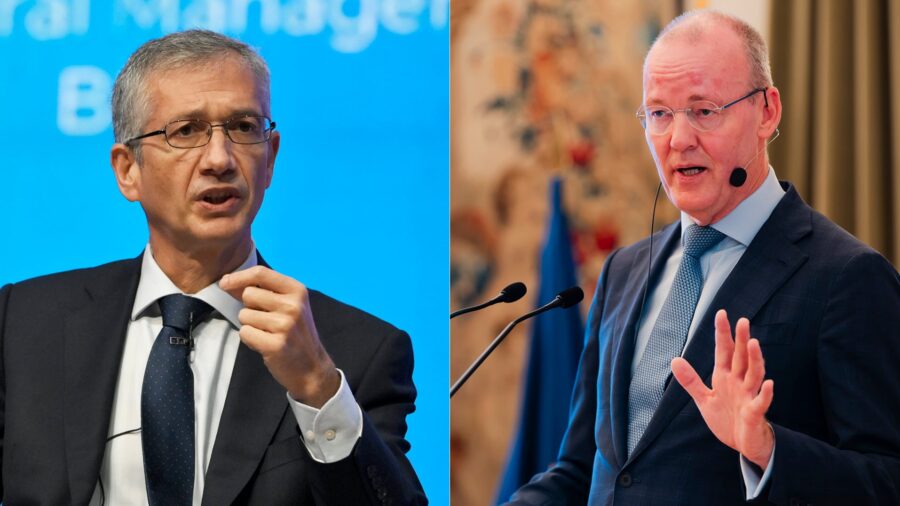
The selection of a successor to European Central Bank President Christine Lagarde holds significant implications for the institution’s crisis management strategies rather than its immediate interest rate policy. While central bank leadership typically focuses on monetary adjustments, the current ECB trajectory appears largely predetermined by existing consensus among its 27-member Governing Council.
The Current Policy Path
The European Central Bank has signaled its intention to increase interest rates despite the ongoing energy crisis. With broad agreement within the Governing Council, analysts suggest that changing the institution’s leadership is unlikely to alter this established monetary direction. The bank has already communicated this policy path to financial markets.
The Future Mandate
The primary challenges for the incoming president will involve the development and application of tools designed to address economic instability. A central question facing the next leadership will be how the bank intervenes to support individual member states during periods of financial distress. Specifically, potential assistance for France remains a significant consideration for future policy frameworks.
Current Status
The ECB remains committed to its communicated rate hikes as it navigates the energy crisis. Future leadership decisions will focus less on interest rates and more on the structural mechanisms required to manage potential regional economic crises.
Why it matters: The transition in ECB leadership signals a shift toward handling structural instability rather than just inflation control. For observers in the Middle East and Egypt, where regional economic stability is often tied to European financial health and investment flows, the bank’s ability to manage debt crises in major economies like France serves as a critical indicator of broader Eurozone resilience.
 Egypt
 Saudi Arabia
 UAE
 Spain
 United Kingdom
 United States
 China
 India
