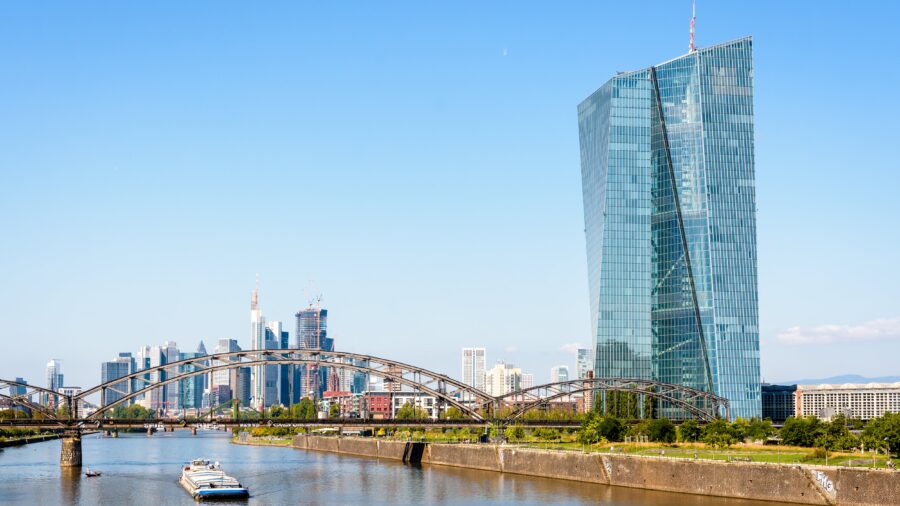
On the banks of the Main River in Frankfurt stands the headquarters of the European Central Bank (ECB), a location chosen with deliberate intent. The site serves as a physical link to the monetary foundations established by the Maastricht Treaty, which created the European Union and its single currency.
A Legacy of Monetary Stability
By situating its operations in Frankfurt, the ECB inherited the monetary credibility of the Bundesbank, Germany’s central bank, which is located just four kilometers away. The Bundesbank gained global influence due to its political independence and a rigid focus on price stability. This reputation provided the necessary assurance for many nations to join the European project.
The ECB functions as a regulatory body, overseeing major financial institutions and analyzing economic statistics. Its primary objective remains consistent with its origins: ensuring price stability across the eurozone. This mandate dictates the bank’s policies, which ultimately influence the financial conditions of citizens across member states.
Current Operations and Future Outlook
Today, the ECB continues to balance its regulatory responsibilities with its core mission. While it monitors the health of the banking sector, it also manages the broader economic environment to keep inflation in check. The institution’s historical tether to German monetary policy continues to shape its institutional identity and strategic decision-making processes.
The bank is expected to maintain its focus on price stability as it navigates future economic challenges within the European Union, balancing the diverse needs of its member countries while upholding the mandate established at its inception.
Why it matters: The ECB serves as the primary architect of monetary policy for the eurozone, impacting global markets and economic stability. Understanding its mandate and origins provides insight into how major financial institutions influence national economies and the cost of living for citizens.
 Egypt
 Saudi Arabia
 UAE
 Spain
 United Kingdom
 United States
 China
 India
