Spanish tax offices recorded a steady increase in revenue during the first nine months of the year, despite a significant decline in income from fuel taxes. According to data released Friday by the national tax agency, total tax collection rose by 10% to reach 248.3 billion euros.
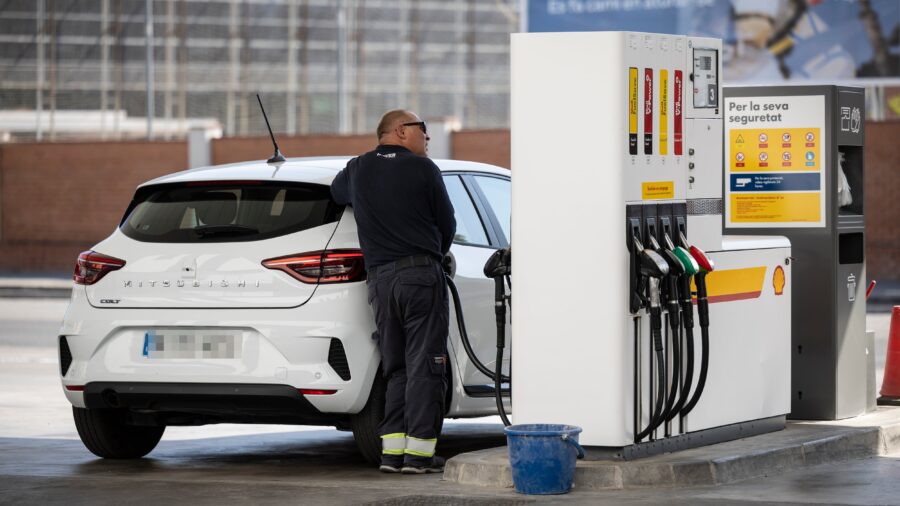
The growth trend remained consistent throughout the year, with double-digit increases recorded in every month except August, which officials attributed to calendar variations. This performance persisted even as revenue from hydrocarbon taxes dropped 13% over the nine-month period. In September alone, collections from fuel levies fell by 25%.
Fiscal Adjustments and Economic Impact
The decline in fuel tax revenue stems from government measures implemented to mitigate the economic consequences of the conflict in the Middle East. These fiscal relief programs reduced public coffers by approximately 3 billion euros through September.
The government introduced these tax cuts to soften the inflationary impact of rising energy costs on households and businesses. While the fuel sector saw reduced contributions, other tax streams continued to perform strongly, offsetting the deficit caused by the energy subsidies.
Future Outlook
Economic analysts will monitor fourth-quarter results to determine if this growth trajectory continues as the year closes. The government has signaled that current fiscal policies remain tied to the evolving economic landscape in international markets.
Why it matters: The data illustrates how government subsidies designed to shield consumers from energy price shocks directly impact state revenue. For Middle Eastern partners and observers, these figures highlight the ongoing economic ripple effects of regional instability on European fiscal policy.
 Egypt
 Saudi Arabia
 UAE
 Spain
 United Kingdom
 United States
 China
 India
