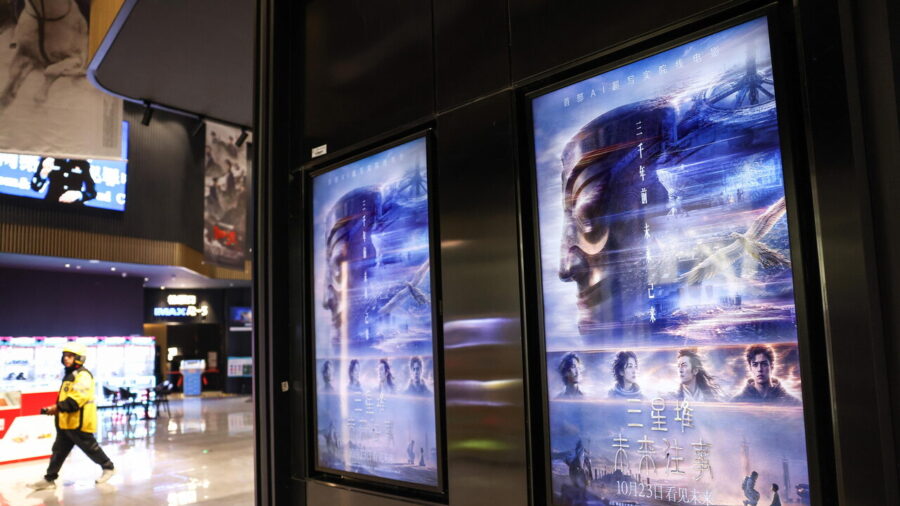
Empty cinema seats greeted the premiere of Sanxingdui: Future Past, China’s first feature-length animated science fiction film produced using artificial intelligence. Despite the technological novelty, the film failed to generate significant ticket sales upon its release, with reports indicating that auditoriums remained largely vacant.
A Technological Milestone Falls Short
The production, which leaned heavily on AI tools for visual generation and animation, was positioned as a pioneering project in the country’s burgeoning digital arts sector. The film centers on the mysterious Sanxingdui archaeological site, blending historical intrigue with futuristic themes. However, early audience reception suggests that the reliance on AI technology did not translate into commercial success.
Industry Implications
The underwhelming performance of Sanxingdui: Future Past raises questions about the viability of AI-generated content in major theatrical releases. While studios are increasingly exploring automation to reduce production costs and timelines, the lack of audience engagement highlights potential challenges regarding narrative quality and public perception of AI-created media.
Observers note that while the technology allows for rapid content creation, it may struggle to replicate the emotional resonance or storytelling depth audiences expect from traditional animation. Producers and investors are now expected to re-evaluate the integration of AI in feature film development, particularly as they weigh the cost-saving benefits against the risk of box office failure.
Why it matters: This development is significant for the global entertainment industry, including markets like the Middle East and Egypt, where investment in digital content and animation is rising. It serves as a case study on the current limitations of AI in storytelling and suggests that technological novelty alone cannot guarantee commercial viability in competitive film markets.
 Egypt
 Saudi Arabia
 UAE
 Spain
 United Kingdom
 United States
 China
 India
