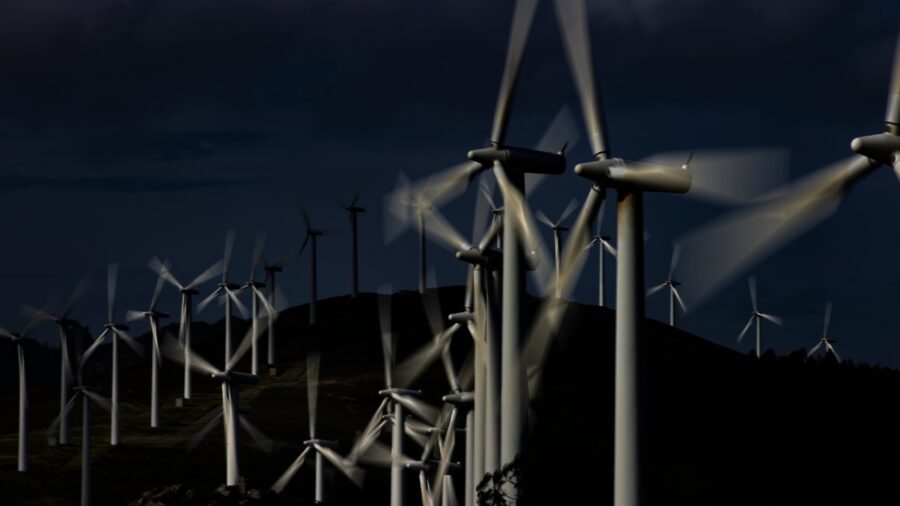
Wind energy projects in rural Spain are facing significant delays due to administrative paralysis, hindering potential economic development and the country’s energy transition. The current regulatory environment has effectively stalled initiatives intended to revitalize local economies and modernize power infrastructure.
Current Status
The wind energy sector reports a widespread lack of administrative progress. Stakeholders note that while rural areas require economic stimulus, bureaucratic hurdles prevent the implementation of renewable energy infrastructure. The sector is currently characterized by a state of stagnation, according to industry observers.
Economic Impact
Proponents of rural development argue that wind projects are essential for economic reactivation in depopulated regions. These installations are framed as a dual solution: providing a necessary boost to local financial activity and supporting the broader national transition toward sustainable energy models. Current delays directly impede these goals.
Sector Outlook
The discrepancy between the stated need for energy transformation and the reality of the permitting process remains a central issue. Industry representatives suggest that the lack of momentum in project approvals creates uncertainty for investors and local communities awaiting potential benefits.
Current Situation
The development of wind energy in Spain’s rural interior remains largely at a standstill. Administrative bottlenecks continue to prevent the advancement of projects that were designed to facilitate both regional economic recovery and the national shift toward renewable energy sources.
Why it matters: The stagnation of these projects impacts Spain’s ability to meet its renewable energy targets and limits economic development in rural areas. For regions struggling with depopulation, the inability to deploy infrastructure projects represents a missed opportunity for financial revitalization and grid modernization.
 Egypt
 Saudi Arabia
 UAE
 Spain
 United Kingdom
 United States
 China
 India
