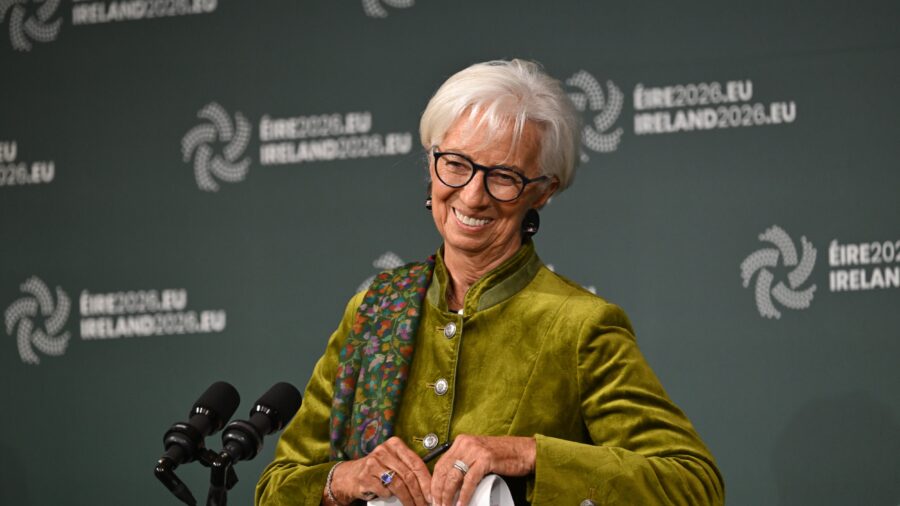
Spain is signaling its ambition to contend for the European Central Bank (ECB) presidency as the institution approaches a leadership transition slated for January 3.
On that date, German economist Isabel Schnabel will leave the ECB’s executive board to join the International Monetary Fund’s monetary policy and capital markets department, accelerating her exit by a year. Schnabel’s departure creates a vacancy on the ECB’s governing body just months before the 2027 term ends, when the posts of chief economist and president will also become available.
Upcoming vacancies and potential candidates
Irish economist Philip Lane currently holds the chief economist role, which will be open in 2027. The presidency, held by Christine Lagarde, is also expected to become vacant before the scheduled end of her term in October 2027, as Lagarde has indicated she may step down early.
Spanish officials have not named a specific candidate but are reportedly preparing to put forward a nominee to compete for the top job. The move reflects Madrid’s broader strategy to increase influence within EU financial institutions.
Implications for European monetary policy
The leadership changes could shape the ECB’s policy direction amid ongoing inflation concerns and economic recovery efforts across the eurozone. Stakeholders will watch closely how Spain’s potential candidacy aligns with the bloc’s fiscal and monetary priorities.