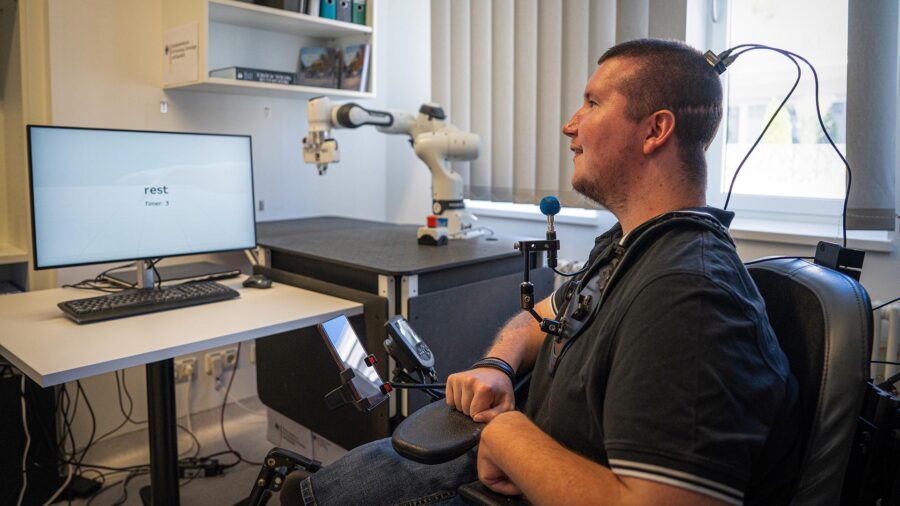
Researchers have demonstrated that implanted brain chips can translate neural activity into computer commands, allowing people with paralysis to operate devices using only their thoughts.
The technology, developed by a team of neuroscientists and engineers, was tested on volunteers who have lost motor function due to spinal injuries. Electrodes placed on the cerebral cortex recorded patterns associated with intended hand movements. Those signals were processed by a portable computer that converted them into cursor motions and keystrokes, enabling participants to write emails and navigate web pages without physical interaction.
Potential Therapeutic Applications
Scientists say the breakthrough could form the basis for new therapeutic approaches for severe motor disorders. “Our goal is to create a reliable interface that restores communication and independence for patients who cannot move,” said one lead researcher. The team plans to refine the system to support more complex tasks, such as controlling prosthetic limbs or interacting with smart home devices.
Ethical Concerns and Risks
Ethicists have cautioned that the technology raises privacy and security issues. They warn that direct brain‑computer links could be vulnerable to hacking or misuse of personal neural data. “We must establish robust safeguards before widespread deployment,” a bioethics expert commented.
Regulatory bodies are expected to review the safety protocols for long‑term implantation, including risks of infection, tissue damage, and unintended neural stimulation.
Future trials will involve larger participant groups and aim to assess durability of the implants over months and years. Researchers hope to secure funding for commercial development and to collaborate with medical device manufacturers.
Why it matters: The ability to control computers with thought offers a new avenue for restoring autonomy to individuals with paralysis, a condition affecting millions in the Middle East and Egypt. At the same time, the emerging technology prompts urgent discussion about data protection and ethical standards for brain‑linked devices.
 Egypt
 Saudi Arabia
 UAE
 Spain
 United Kingdom
 United States
 China
 India
