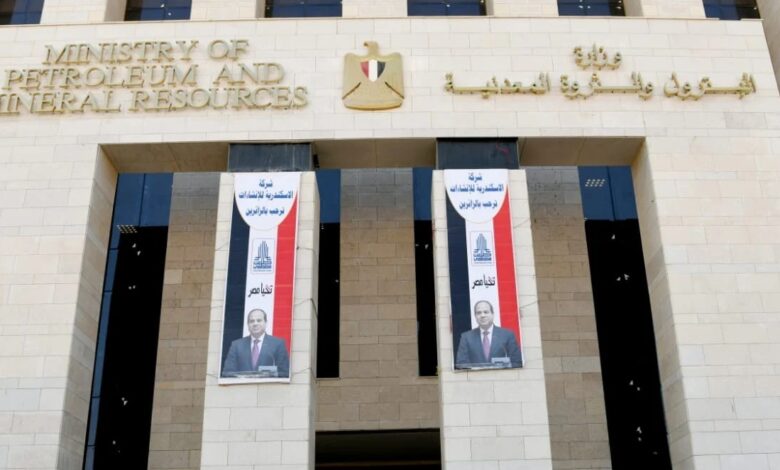
Egypt’s Ministry of Petroleum and Mineral Resources has introduced a new electronic monitoring system to track fuel distribution and prevent illegal practices. Developed in coordination with the ministries of Interior and Communications, the digital framework aims to strengthen governance across the fuel supply chain.
Implementation Strategy
The system utilizes data collected through electronic vehicle stickers issued by traffic departments under the Ministry of Interior. By tracking these stickers, authorities can monitor petroleum products from initial distribution stages through to delivery at the final point of sale. Officials state the initiative intends to curb product diversion and smuggling.
Sunday: Pilot Phase Begins
Authorities scheduled the pilot operation to launch in Port Said governorate on Sunday. This initial trial phase will last for one month. During this period, vehicle owners who lack the required electronic stickers must regularize their status. The ministry stated this timeframe allows for complete coverage of all refueling stations within the governorate.
System Objectives
The ministry clarified that the initiative will not alter current fuel pricing or the quantities dispensed to consumers. Instead, officials stated the system will improve the detection of irregular consumption patterns and support inspection activities. The ministry emphasized that the project is part of a broader state effort to integrate technological solutions into national resource management.
Current Status
The pilot program in Port Said serves as the testing ground for the new oversight mechanism. Following the one-month trial, the government intends to utilize the data collected to enhance the efficiency and security of fuel distribution networks nationwide.
Why it matters: This initiative represents a significant step in Egypt’s digital transformation strategy. By digitizing fuel oversight, the government aims to reduce resource leakage and smuggling, ensuring that petroleum products reach intended consumers without disruption to supply or pricing.
 Egypt
 Saudi Arabia
 UAE
 Spain
 United Kingdom
 United States
 China
 India
