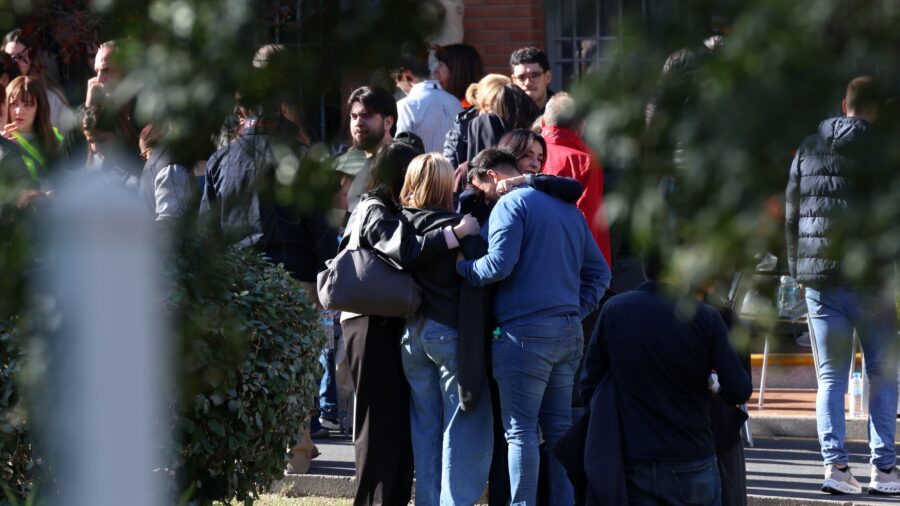
A train collision in Urda has prompted widespread public concern regarding the immediate politicization of the tragedy. Observers noted that initial reactions of grief were rapidly overshadowed by anticipated partisan rhetoric, particularly given the ongoing electoral campaign.
The Shift from Mourning to Conflict
In the immediate aftermath of the crash, the atmosphere was defined by a period of silence and national sorrow. This quiet, however, was quickly replaced by public disputes. Reports indicate that the discourse shifted within hours from collective mourning to a cycle of accusations, insults, and conspiracy theories. The rapid escalation of this public conflict prevented a period of communal reflection, transforming the environment from one of shared pain into a source of societal friction.
Context of Political Tension
The transition from a tragedy to a political spectacle has become a recurring pattern in public life. Analysts suggest that citizens have developed a sense of resignation, anticipating that such events will be immediately exploited for political gain. This reaction reflects a broader societal fatigue where the fear of political fallout often precedes the processing of the event itself. The noise surrounding the incident has effectively silenced genuine human responses to the disaster.
Why it matters: This incident underscores the fragility of national unity during crises when political polarization is high. For observers in the Middle East and beyond, it serves as a case study on how electoral climates can distort the public response to tragedies, effectively turning moments of collective grief into tools for partisan leverage.
 Egypt
 Saudi Arabia
 UAE
 Spain
 United Kingdom
 United States
 China
 India
