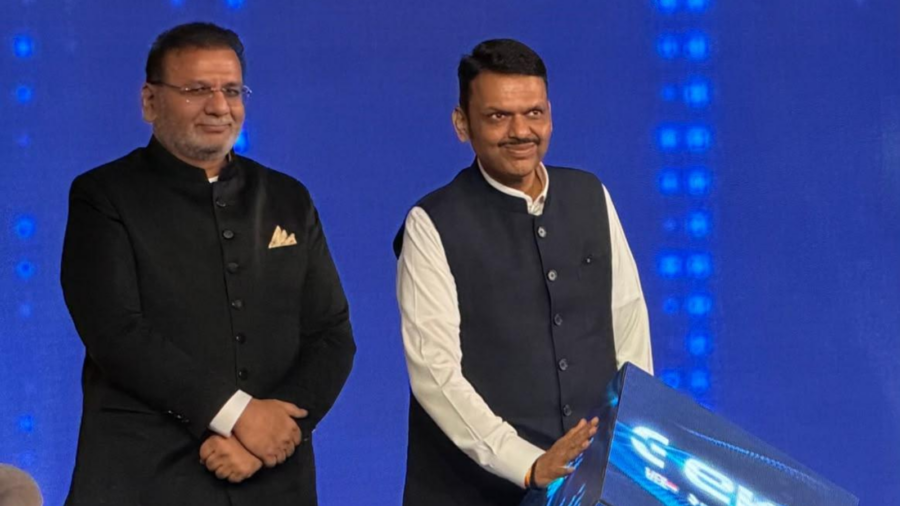
EKA Mobility has inaugurated six new manufacturing facilities in Maharashtra and Madhya Pradesh to increase the production of electric buses, trucks, and commercial vehicles. The expansion is part of the company’s broader strategy to support the electrification of India’s transport fleet.
These new plants, located in Pune and Pithampur, are integrated into an 11-facility network covering 120 acres. According to the company, this infrastructure provides an annual production capacity of more than 40,000 electric vehicles. The total investment for this expansion exceeds Rs 3,500 crore. The facilities are equipped for vehicle assembly, engineering, battery enclosure production, and interior manufacturing.
Market Growth and Competition
EKA Mobility reported a 1,243% year-on-year growth during the first half of fiscal year 2027. The company currently holds an order book for over 11,000 buses. Founder and Chairman Sudhir Mehta stated that the company remains focused on making electric mobility solutions affordable and accessible to the general public.
The sector remains highly competitive. Data from VAHAN indicates that India registered 2,944 electric buses between January and June 2026, marking a 40% year-on-year increase. Switch Mobility led the market with 830 registrations, followed by JBM Auto with 635 and PMI Electro Mobility with 574. Pinnacle Mobility Solutions, the parent company of EKA, recorded 171 registrations, representing a 5.8% market share.
Government Policy Support
The expansion aligns with government initiatives aimed at accelerating the adoption of electric commercial vehicles. The PM E-DRIVE scheme, which received an increased outlay of Rs 11,900 crore in August 2026, has allocated Rs 4,391 crore for the deployment of 14,028 electric buses and Rs 500 crore for 5,643 electric trucks. The scheme is extended until March 2028.
Additionally, the PM-eBus Sewa payment-security program is designed to facilitate the deployment of over 38,000 buses by mitigating risks related to payment delays for operators. A Rs 25,938-crore production-linked incentive program also aims to bolster domestic manufacturing of advanced automotive technology.
 Egypt
 Saudi Arabia
 UAE
 Spain
 United Kingdom
 United States
 China
 India
